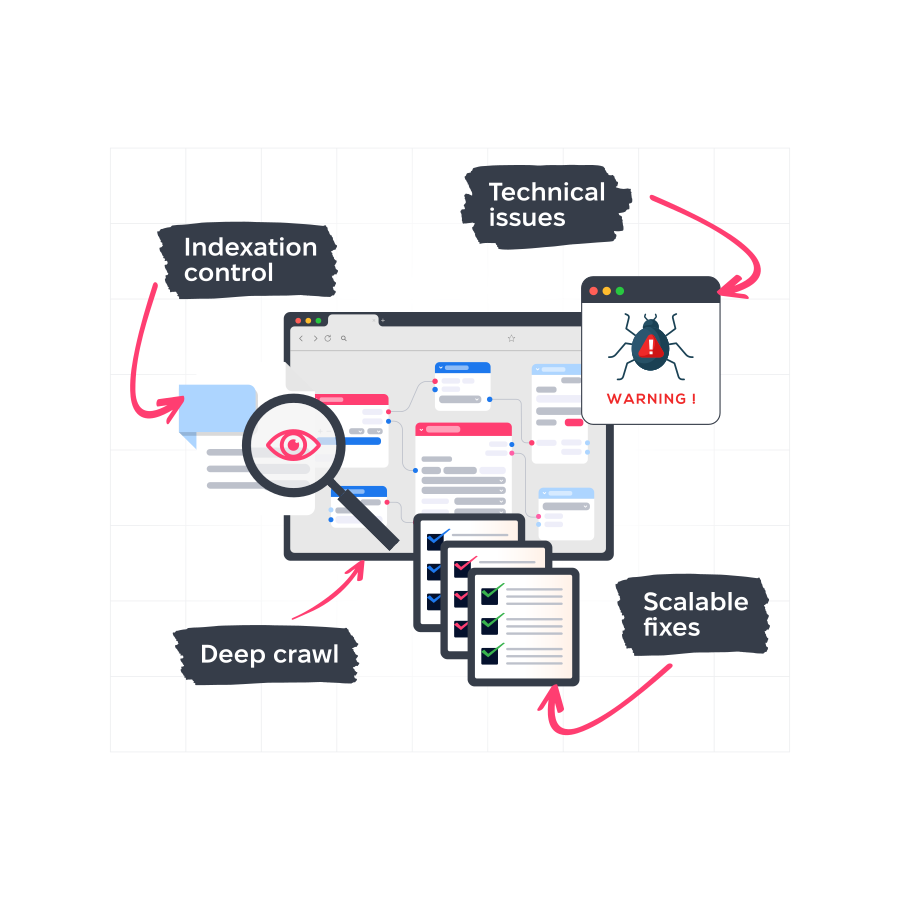
A technical SEO audit is most valuable when organic traffic is critical and the site infrastructure is complex. It helps teams regain control over crawlability, performance, and index stability as sites scale and evolve.
Indexing improvements are often visible within days or weeks after fixes go live and search engine crawlers return to the site. Changes in search engine ranking take longer, as technical signals need time to stabilize across search engine results pages, especially after algorithm updates.
Yes. Ecommerce sites often suffer from crawl waste, duplicate content, and slow category templates. Technical SEO strategies such as site architecture cleanup, structured data, and page speed optimization help search engines crawl and understand products more efficiently, improving visibility and SEO performance.
A strong technical SEO services agency delivers clear audits, realistic roadmaps, and reliable QA. Look for technical SEO specialists who communicate well with developers, follow best practices, and explain how technical optimization impacts crawling, indexing, and rankings.
Ongoing support is recommended for sites with frequent releases, many templates, or large content volumes. Regular crawls, monitoring in Google Search Console, and periodic audits help identify technical SEO issues early—before they affect visibility or website’s technical performance.
Common issues include broken links, redirect chains, weak internal linking, duplicate content, incomplete sitemap coverage, and poor mobile optimization. These technical aspects make it harder for search engines to crawl and index pages, reducing overall SEO performance.
Technical SEO focuses on crawling, indexing, site performance, structured data, and website infrastructure. On-page SEO focuses on content, keywords, and relevance signals. Both are part of search engine optimization, but technical SEO ensures search engines can access and evaluate pages correctly.