


Analyzing competitor backlinks is an important part of a successful SEO strategy if you want to improve your position in search results. We are talking about all the links that lead to the websites of your direct or indirect competitors. They serve as a kind of marker of the quality and popularity of their content and also help you see the “working formula” of successful SEO. By analyzing why these domains link to a competitor, you will understand what value they see in their content.
When you find competitor backlinks, you can identify potentially profitable contacts with whom you should establish partnerships in the future. In addition, studying your competitors’ backlinks will help you understand what links you don’t have yet and where you can quickly improve your profile.
❗️ Understanding the Concept of Competitor Backlinks
At the heart of competitor backlink analysis is the idea that if other sites link to your competitor, it means that they see some value or usefulness in them. Since Google and other search engines evaluate the quality of a website based on its link profile, knowing the sources of these links can give you a competitive advantage.
The procedure usually involves using special analytical services (e.g. Ahrefs, Moz, SEMrush), where you enter the address of a competitor’s website and get a list of sites that link to it. This quickly gives you an idea of where the links are coming from, what volume of links is most effective, and which pages attract the most diverse audience.
📑 The Basics of Competitor Backlink Analysis Explained
The first step is to identify the leading players in your niche, as they can tell you how to use effective link-building methods. After that, you must use specialized tools to see who links to competitors and which pages get the most weight.
After collecting the data, you need to analyze the quality of domains, the subject matter of pages, and even the type of content being linked to. If you have a similar niche, you can identify authoritative sites and bloggers who can potentially link to your resource. Once you understand which competitor links have the best effect, you can create your strategy for getting similar links or even better ones. Therefore, before you start working on your link-building campaign, it is more convenient to first “follow in the footsteps” of someone who has already achieved success.
➡️ Reasons to Conduct Competitor Backlink Analysis
One of the main reasons why you need to analyze competitors’ backlinks is to get quality ideas and inspiration. When you see from which resources your competitors get links, you understand better which content formats are most attractive to external sites. It can be a guest post, a useful guide, a unique study, or an infographic — in short, anything that is trustworthy and shareable.
The second reason is to identify gaps in your strategy. Perhaps you haven’t paid enough attention to content marketing or haven’t collaborated with influential blogs. When you find competitor backlinks, you see where your competitor is actively appearing, and you are not. This encourages you to review your marketing strategy because when you notice lost potential, you want to fill it.
It will also be useful to identify toxic links. If your website receives low-quality or spammy backlinks, it can negatively affect its position in Google. Competitor backlink analysis helps to avoid mistakes and identify harmful resources.
🔑 Key Benefits of Analyzing Competitor Backlinks
First of all, you save time. Instead of searching for platforms to place links on your own, you can immediately see a ready-made list of competitors. Secondly, it is an opportunity to understand which content topics are most trustworthy. Such an analysis helps you see the current topics of great interest. In turn, this will help you plan your post topics so that they bring maximum results — you will be more conscious about planning your personal post topics.
In addition, studying competitor links helps you better understand your audience. Whether it’s a forum where people discuss your product or a popular review site, backlinks will show you where your target audience lives. This can help you with link building, social media, email marketing, and even developing new functionality for your website. All this together will strengthen your brand and help you build a reputation as a reliable and authoritative resource. The result? You are moving towards improving the position of your website.
🔢 Steps to Find Competitor Backlinks
Once you understand the importance of analyzing backlinks competitor uses, it’s time to move on to specific steps. To get the most accurate results, you need to correctly define the range of sites with which you will compare. And this is where the first step comes into play — competitor identification. Let’s get started!
1️⃣ Step: Identify Your Competitors
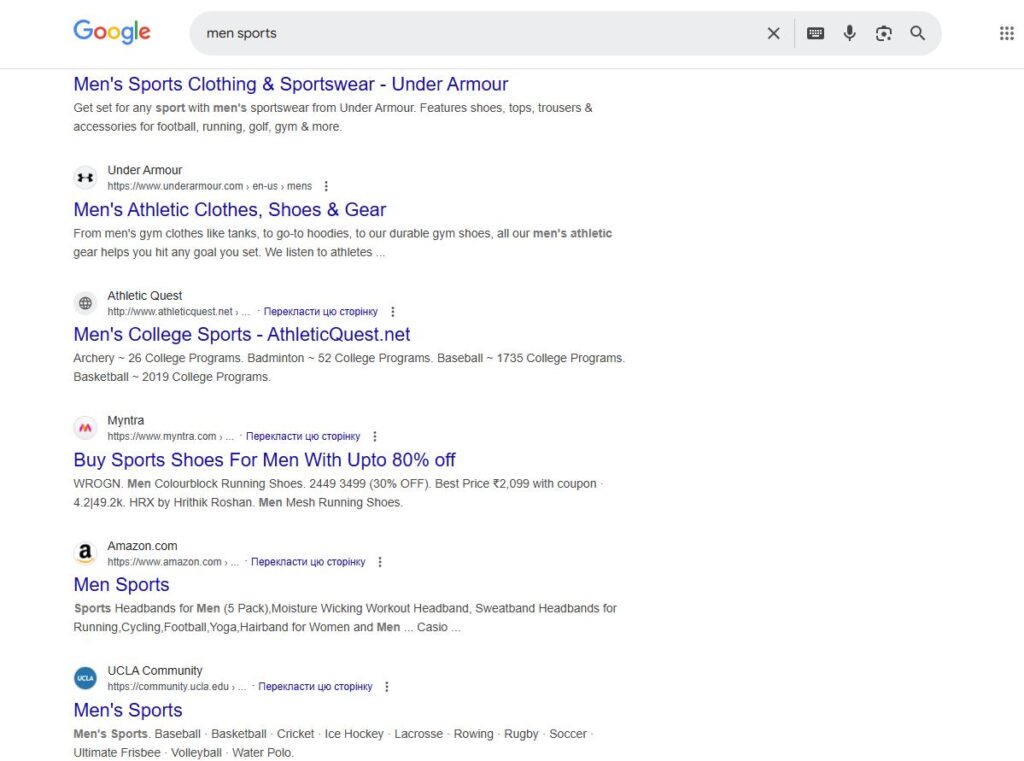
How to find competitors backlinks? It is not always as easy as it may seem. If you sell, say, shoes, your direct competitors will be other online shoe stores. But there are also indirect competitors — resources that may offer or review shoes in the context of “fashion” or “sports”. You should not ignore them because they can often attract a fairly large share of the target audience.
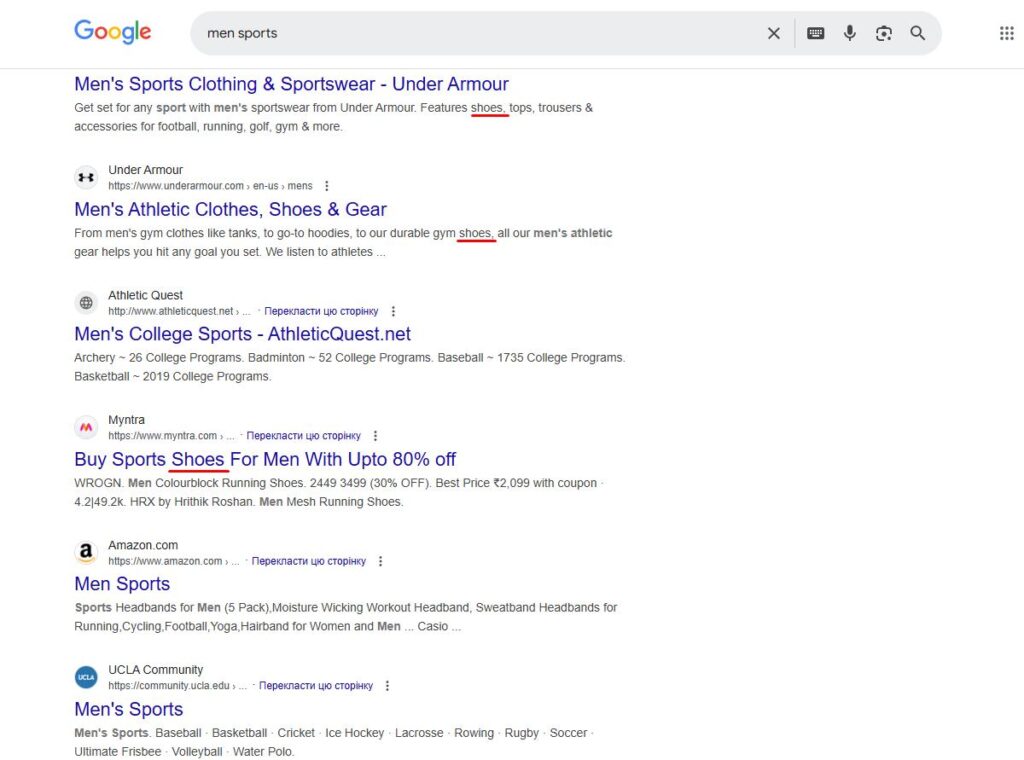
To get started, it’s a good idea to make a list of companies or websites that offer similar products or content. Then, you can expand the list with keywords to ensure you don’t miss anyone important. If you have several different product or service lines, it may be worth identifying the main competitors in each segment.


⚙️ Existing Keywords You Rank For
For a thorough assessment of your website’s position, you need to find out what keywords it is already ranking for. Analyze the whole situation, which keys are at the top, which are not, and whether they have suitable content. Take the words for which you have top positions and see who is ranking next to you. Usually, these sites will be your closest competitors, because they work with the same or very similar semantics.
In this context, it’s important to identify domain names, check their content, presentation style, and general focus. For example, if you focus on a limited edition collection of designer clothes, you should pay attention to all the resources that actively write about design trends or review this type of clothing. How do they rank for these keywords, how are their pages promoted?
And what other keywords bring them to the top? 😏
🔝 Desired Keywords You Aim to Rank For
You probably have keywords that you want to rank higher for, right? Maybe your site doesn’t have high rankings for these queries yet, but your competitors have already managed to take a place on the first page of Google. The good news is that your desired keywords have prospects! Carefully analyze which sites or blogs are at the top, because they are the ones who are currently ahead of you.
This approach allows you to create an extended list of competitors, which will include both direct and more general “players” in your niche. Remember that in SEO, the world does not stand still: what is relevant today may change tomorrow. That’s why you should review these lists occasionally and adjust them by adding new interesting competitors or removing outdated ones.
2️⃣ Step: Identifying Backlinks from Competitors
Once you’ve identified your main competitors, the next step is to analyze the links pointing to their websites. Tools like Ahrefs, SEMrush, or Moz allow you to export detailed backlink reports and review referring domains. At the same time, you can quickly evaluate core backlink data and domain quality using our backlink checker to identify relevant opportunities.
It’s important to verify whether those backlinks are still active, whether they point to outdated pages, and whether they come from trustworthy sources. Focus only on placements that are relevant and capable of genuinely strengthening your own backlink profile.
After collecting data about the links, pay attention to their topics, authority indicators, and traffic. To avoid getting lost in the pile of results, organize everything in a convenient table, noting sources, authority indicators, and potential ways of cooperation. If you see that some of the links come from blogs that are happy to publish guest articles, this will be a great opportunity to post your content as well. You’ll find more about this in the following sections.
🔍 Try to Find Hidden Links
Sometimes, competitors can use less obvious methods of getting backlinks, such as affiliate programs or social media promotions, which eventually turn into permanent links from different sites. Carefully analyze all referral data to see if you are missing any “hidden” opportunities. Pay attention to links from forums, thematic communities, and even social media profiles that may not be visible at first glance but bring in considerable traffic.
3️⃣ Step: Conducting a Competitor Backlink Analysis
When you have a list of competitors’ backlinks in hand, it’s time to conduct a deeper analysis. Evaluate the quality of these links: do they come from relevant websites, do they bring real visitors? Some of the links may be just spam, so it’s better to avoid them so as not to spoil your reputation in the eyes of search engines.
Also, pay attention to how your competitors’ anchor text strategy is distributed. If they use specific keywords as anchors and have good results in the rankings, you may take this into account in your SEO campaign. All of this will allow you to understand your competitors’ strengths and weaknesses much better and give your own site a good chance of improving its rankings.
4️⃣ Step: Uncovering Competitor Link Strategies
So, you’ve already figured out who your competitors are, found out who is linking to them, and conducted an initial backlink analysis. Now comes the fun part — figuring out what specific link-building strategies they use to stay in high positions in search results. If competitors are systematically getting good links, they already have some proven tactics.
Figuring it out means making a significant step forward in your SEO. This stage involves a detailed immersion in the content of competitors, monitoring their promotion, and carefully studying the link profile from different angles. Some resources may rely on guest posts, while others actively interact with forums or offer unique content that attracts links on its own. Let’s take a look at the most common methods that can help you get the backlinks you want.
⛓️ Try Broken Link Building
The Broken Link Building method is quite simple but effective. It consists of finding the pages of competitors (or even other resources in your niche) with broken links and offering your own alternative. For example, if you notice that a popular blog has a broken link that leads to a page with information similar to yours, you can contact the site owner and offer to replace this “dead” link with yours. Everyone wins: the website owner fixes the error, and you get a new backlink.
Approach communication in the right way. You should politely report the problem, add a concise description of your content, and explain why it can be a worthy replacement. At the same time, keep in mind that Broken Link Building takes time and care, as you need to find relevant resources and correctly assess their quality.
📈 Guest Posting as a Backlink Strategy
Guest posting remains one of the most common methods of obtaining quality links. The point is that you will not only get a link, but you will also be able to show your expertise to a new audience. If your competitors often appear as authors on specialized blogs or news portals, you can also offer your own expert article or review. The first thing is to understand where your potential readers live and what kind of content they are interested in.
When pitching ideas for guest posts, always try to provide something useful. High-quality material will be accepted faster, and a link to you will be a logical continuation of the topic. Ensure that the resource you are publishing is authoritative and relevant to your industry. In this case, the guest post will work effectively: you will get a link, traffic, and readers’ trust.
📊 Forums and Directories Backlink Opportunities
Don’t underestimate the power of forums and directories, especially if your competitor is actively present there. Of course, many old directories have lost their relevance, but there are still niche directories and forums where users discuss specific topics. If you sell, for example, hiking equipment, you should look for specialized forums or even regional sites where people advise on what kind of equipment is best to buy.
When you create a profile on such resources, you can carefully insert a link to your website — but only where it is needed. Analyzing your competitors’ profiles will show you which forums they are active on and how often they mention your site. The main thing is not to become a spammer: useful comments or answers bring many quality links, not meaningless chatter.
🔗 Developing Linkable Assets to Attract Links
Creating unique content that will interest a wide audience is a real link magnet. It can be an infographic, in-depth market research, or an interesting interactive element that makes you want to share it. If you notice that your competitor has a series of articles with research results and they collect a lot of links, try to create something similar (or even better) in your field.
It will take some resources and time to prepare high-quality material, but the effect can exceed all expectations. Good linkbait (i.e., content that you want to link to) is often able to spread on social media and blogs on its own. So, if your competitor is actively using this approach, study what assets they offer and try to offer something exclusive.
📣 Niche Edits as a Backlink Strategy
Niche Edits — you add links to existing content by agreeing with the site owner on a small edit. Let’s say an article about the benefits of organic food is missing a link to your production process or research results. You can offer the site owner to add a small paragraph with useful data and a link to your resource that covers the topic in more detail.
Such arrangements often help save time, as there is no need to create new articles or guest posts. Nevertheless, you need to carefully choose the sites so that both the topic and the tone of the material are consistent with your specialization. If a competitor has a lot of such links, it means that there are active bloggers or website owners in their niche who are open to offers of this format.
📋 Backlink Opportunities on Resource Pages
Resource Pages are special pages where webmasters collect links to useful materials, tools, or services on a particular topic. If you notice that your competitors are getting a lot of traffic from such pages, check to see if you can get there as well. Usually, these are reputable sites that take care of link relevance. If you offer something really useful — a tool, an article, a guide, or a list of life hacks — the chances of getting a backlink are quite high.
It is important to demonstrate why your resource is worthy of attention. Contact the owner or administrator and explain how the audience will benefit from your material. If the value is obvious, they will add the link willingly.
📍 Building Links via Blog Roundups
Blog Roundups are article formats in which authors collect the best posts or materials for a certain period, for example, “Top 10 Guides for Design Beginners”. If you see that your competitor often appears in such roundups, try to get to know the authors of these publications. They usually have a feedback form or email address where you can send them your fresh and interesting material.
Remember that to be included in the Blog Roundup, your content must be relevant and really useful. Before submitting it, make sure it’s worth sharing with a wider audience. If your text is well-detailed, structured, and has real value, your chances of being included in the roundup increase a lot. And this is another way to get high-quality backlinks and attract readers’ attention.
5️⃣ Step: Finding Gaps in Linking Strategies
At this stage, your competitor backlink analysis goes deeper: you look not just at the specific links of your competitors but where they get their most valuable links and what paths they take to secure their position in the SERPs. The goal is to identify “gaps” in their strategy and, at the same time, in yours. In other words, if you see that a competitor has links from well-known news portals or scientific journals, and you don’t have such links, it helps you figure out where to focus your efforts. Do you have any unique research, survey results, or an interesting interview format that similar resources would want to share?
Remember that the analysis of “holes” or missed opportunities in link building is only about new platforms and formats that you have not yet used. Note that some competitors rely on podcasts, while others rely on regular press releases. Some of them are involved in unique affiliate programs. All of this allows you to expand your own base and understand what tools you still lack. If you know for sure that your offer is competitive, you just need to find the channels through which you can convey this value to a wider audience.
❌ Common Mistakes You Should Avoid
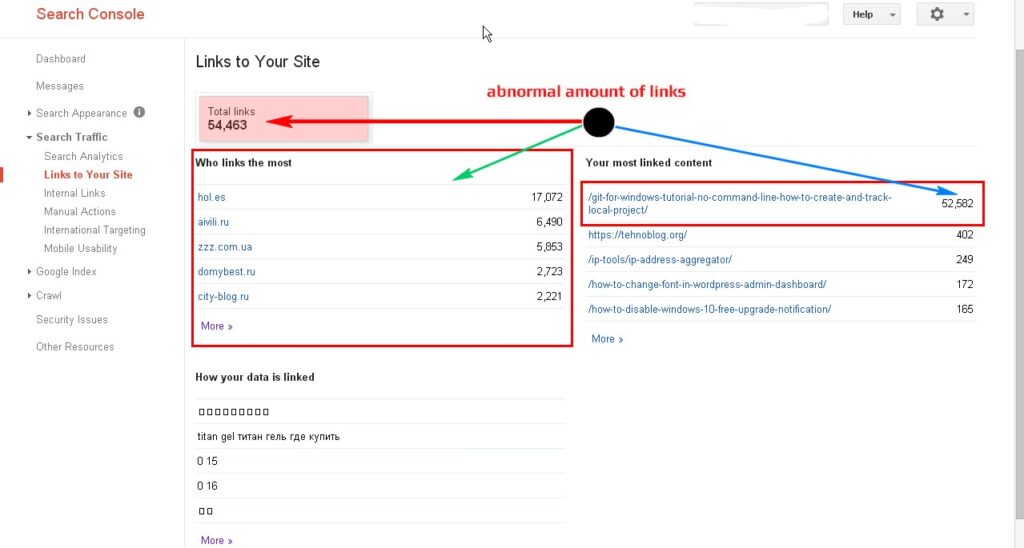
One of the most common mistakes is paying too much attention to the quantity of competitor backlinks instead of the quality. Some people believe that the more links, the better, without taking into account the authority of domains or the relevance of content. As a result, low-quality or even spammy links can get to the site, which harms the reputation.
The second mistake is to ignore the internal structure of the site. You can collect a bunch of external backlinks, but if the internal navigation is confusing and the content is of poor quality, the result is unlikely to be satisfactory.
Another trap is to forget to update your strategy. SEO is a dynamic field, and what worked a year ago may not be effective now. If your competitors are actively developing, and you are standing still, they will quickly overtake you in the rankings.
And, of course, excessive automation or blind copying of competitors’ actions is something you should avoid. Mechanical copying without analysis will lead to repeating other people’s mistakes or underestimating the specifics of your business.
✉️ Tools to Effectively Analyze Competitor Backlinks
If you want a more detailed analysis, and know how to check competitor backlinks, you will need special tools. Let’s take a look at the most popular ones among SEO specialists.
🔹 Majestic
Majestic is especially appreciated for its huge link database and unique metrics — Trust Flow and Citation Flow. They allow you to quickly assess the quality of a link and understand how authoritative a domain is on the global web. If you want to get a feel for the depth of your competitor’s link profile, Majestic will come in handy.
🔹 Semrush
Semrush is useful when you need to analyze backlinks and track SEO progress in general. It offers a comprehensive set of functions, from keyword and traffic research to studying advertising strategies. If a competitor is actively running paid ads, Semrush will show you which queries they are targeting. All of this can help you form a complete picture of your competitor’s promotion.
🔹 Ahrefs
Ahrefs is very convenient for daily monitoring, as it shows when and what new links have appeared, as well as whether old ones have been lost. Ahrefs has an easy-to-use dashboard where you can quickly compare your profile with the list of competitors and understand which of them is most active in link building.
🔹 Moz
Moz is known primarily for its Domain Authority (DA) metric, which helps to assess the “weight” of a particular domain. Although this figure is not an official Google metric, many consider it a useful benchmark. You can easily check which domains with a high DA link to your competitor and try to establish cooperation with them as well. Moz also offers handy tools for tracking keywords and overall SEO progress.
The choice depends on your budget and needs. If you’re focused primarily on links, Ahrefs or Majestic might be the perfect option. If you want an all-in-one solution, Semrush will satisfy most of your needs.
📋 Conclusion
Competitor backlink analysis is like a comprehensive map where you can see the starting and ending points, as well as possible paths to follow. Starting with the search for the main competitors and ending with the search for missed opportunities in your strategy, each step adds a new detail to the overall picture. Yes, it takes time and resources to build a high-quality link profile, but without it, it’s almost impossible to stay on top of the search results.
The secret is not just to copy your competitors’ moves, but to make them one step better. If you keep your finger on the pulse of the market and follow the actions of your competitors, you will always have a chance to get ahead of them in terms of equal resources. In the end, it is persistence and a strategic approach to link building that lay the foundation for a strong presence in your online niche.


