


Content for link building is a strategic SEO approach that focuses on creating exceptional, valuable, and relevant content designed to naturally attract high-quality backlinks from other authoritative websites. This method transforms written words into powerful assets that earn organic citations, significantly boosting a website’s authority, search engine rankings, and overall online visibility.
Billions of webpages languish in Google’s index because of a lack of linkable content creation. Companies chase shortcuts, yet Google steadily closes every loophole – a contest that’s carried on since the web began.
At NeedMyLink, we deeply value and understand the true power of how to get backlinks with quality content. When executed well, it delivers roughly three times more leads than traditional marketing methods while costing far less.
Putting together words on a page is not enough to create high-quality backlinks through content, though. Your material must earn genuine, authoritative backlinks that money alone can’t secure. In the sections that follow, we’ll explain why content is important for link building, how it can become your most dependable ally in modern SEO, and which types of content get the most backlinks.
🔑 Why Content Is the Key to Link Building Success?
Content is the key to link building success since good, useful and related content is the most natural way to get backlinks from other sites, basically being a magnet for ranking in the organic search.When content provides unique insights, solves problems, or offers comprehensive information, it becomes a shareable and citable resource, encouraging other sites to link to it and thereby enhancing a website’s authority and search engine rankings.
When an article presents novel data, solves a persistent problem, or tells a story in a fresh way, it becomes a source worth referencing. Editors work under strict time constraints. They go to the resource that helps them accomplish their task faster and provides them with a stronger argument. That citation gives the authority the resource is needed, thus boosting both the visibility of searches and the traffic of referrals.
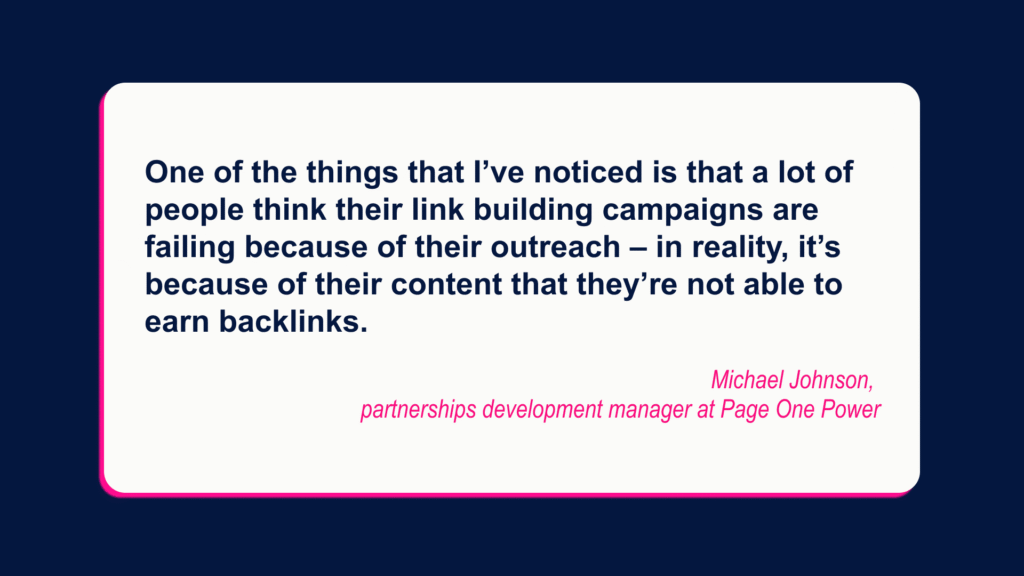
🧠 Experience, Expertise, Authoritativeness, Trustworthiness (E-E-A-T)
Google expanded E-A-T in late 2022 by adding “Experience,” rewarding firsthand knowledge alongside the original trio of expertise, authoritativeness, and trustworthiness. Two back-to-back core updates in November and December 2024 underscored the message: content produced mainly to rank will fade, even on household-name domains. Forbes, for example, saw organic traffic drop almost 30 percent after those updates.
To keep your ranking mostly unaffected by new updates, demonstrate lived experience (e.g., “We analyzed 3,000 outreach emails”), showcase credentials where relevant, cite reputable sources, and maintain editorial integrity.
🧲 What Is Linkable Content?
Linkable content is simply good quality, useful, and original materials that get backlinks from other websites on a natural basis because they are a helpful, authoritative, or shareable resource. This type of content provides solutions, unique data, or compelling insights that other publishers want to reference, making it a magnet for organic links. It widens your reach by engaging readers outside your usual circle. Content ideas that are easy to share often fall into three overlapping categories:
- Link baits – material that sparks emotion or surprise, such as controversial content, infographics, and viral videos or images.
- Evergreen references – guides, glossaries, or statistical roundups that remain useful for years, like a running tally of streaming-platform market share.
- Value-driven tools or data – calculators, public datasets, or proprietary research that others cannot replicate easily.
A routine blog post might satisfy your existing audience, but exceptional content for link building serves publishers, bloggers, and marketers who need credible sources to quote. Give them something irreplaceable, and they’ll transform content into backlinks without being asked.


🛠️ How to Create Link-Worthy Content?
So, you’ve realized the power of linkable content creation, but how do you turn your idea into something others will want to cite? Great ideas alone rarely create content that you can easily share. Editors and bloggers link only when a page answers a question better or more memorably than anything else in their queue.
The secret lies in making content a link magnet. Get ready to learn specific strategies and types of material that will help you create truly valuable and linkable pieces, setting you apart from the competition.
🎯 Start with Audience and Competitor Research
You probably mapped out your audience when you first drew up the business plan, but those notes deserve another look. Dust them off and sort your market five ways to choose the right voice:
- Demographic: age, generation, gender, income, and education,
- Geographic: country, region, and city,
- Psychographic: lifestyle choices, hobbies, and values,
- Firmographic (B2B): industry, company size, and revenue,
- Funnel position: awareness, consideration, decision, or existing customer.
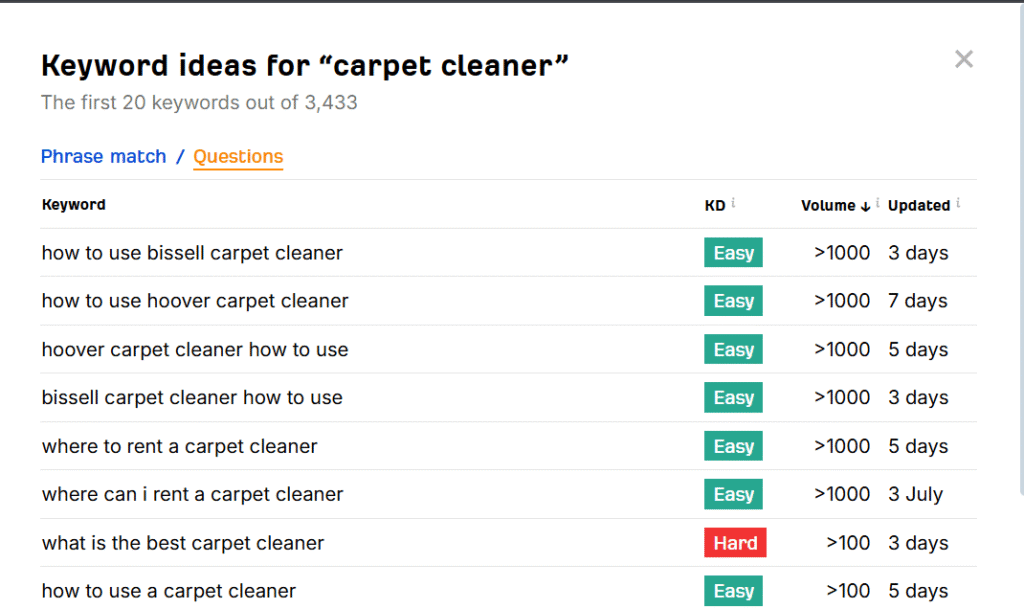
Next, size up the competition. Plug your main topics into Google Search Console or Ahrefs to see the exact questions people ask, then read the top results line by line to see how they’re earning backlinks with content.
Flag every weakness – outdated data, missing angles, bland visuals, or thin advice – and list how you’ll fix each one. When readers compare pages, they should immediately see why yours is the better choice.
💡 Solve Real Problems or Deliver Unique Value
Ask, “What can readers do after finishing this piece that they couldn’t do before?” Practicality is a stronger blog content for backlinks than clever prose. A step-by-step Zapier automation, a legal template, or a simple JavaScript snippet that eliminates a tedious task will earn bookmarks and citations because it shortens someone else’s to-do list.
📊 Leverage Proprietary Data, Case Studies, or Original Research
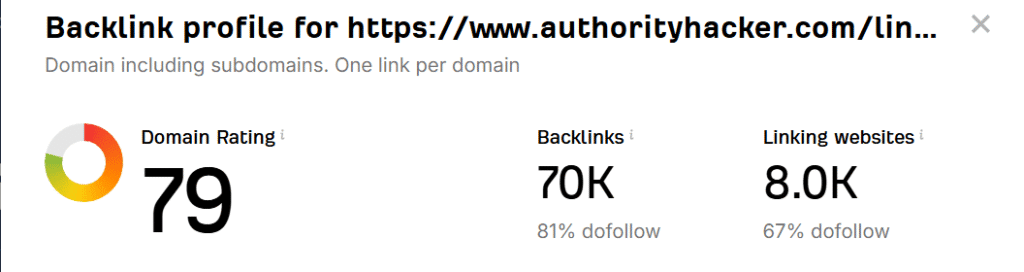
Editors crave statistics they can’t find elsewhere. Poll your mailing list, scrape a public API, or open your anonymized user database and package the insights. AuthorityHacker surveyed link building experts and, in less than a year, earned over 70,000 backlinks. That’s how content marketing for link building is done.
Cite methodology transparently so journalists or even your competitors feel safe quoting you. Even a micro-study (“We analyzed 257 pet-supply checkout pages…”) can travel far if it answers a nagging question.
🎨 Package Information Visually
Humans process images faster than text, and writers love ready-made graphics. Turn raw numbers into a single, clean chart, build a shareable infographic summary, or embed interactive elements (such as sliders or calculators) that let visitors interact with the data. Provide an easy “Copy embed code” button so every reuse automatically includes a link back.
🔍 Ensure It’s Well-Optimized for SEO
You can write a research paper that overturns the idea of space and reality, but without SEO, no one will see it. To earn high-quality backlinks through content, it still needs to be discovered:
- Map one primary keyword to the page and naturally weave in semantic variations. Regularly update content with relevant data, especially if it has high keyword difficulty.
- Use descriptive H2/H3 headings so search engines and skim readers understand the structure.
- Internally link from older high-traffic posts to kick-start the discovery of your pieces.
- Optimize load speed and mobile experience; if the page lags, editors will bounce before they even consider quoting it.
By layering deep audience insight, exclusive information, compelling visuals, and solid on-page optimization, you turn writing content for backlinks into a resource others rely on. Each new citation then amplifies visibility, creating a feedback loop where the content you publish today keeps earning links and authority well into the future.
🌟 Best Types of Content for Earning Backlinks
Certain content formats are proven to attract attention and links because they offer real value, save time, or spark curiosity. From stats journalists crave to tools audiences can’t resist, this section breaks down the top-performing types of content for link building. Whether you’re a data nerd, visual thinker, or hands-on creator, there’s a winning “how to get backlinks with quality content” idea for you.
📈 Statistics & Data Roundups
Readers want answers fast, and editors, bloggers, and journalists are constantly searching for reliable stats to back up their arguments. But no one wants to dig through dozens of PDFs or outdated blog posts just to find that one perfect number. That’s where building backlinks through content marketing can shine.
By curating up-to-date, relevant statistics from credible primary sources and organizing them into a single, easy-to-navigate hub, you instantly position yourself as a go-to resource. Whether it’s industry benchmarks, behavioral trends, or performance data, your roundup saves time and builds trust. Over time, you become the website people link to when they need “that” stat.
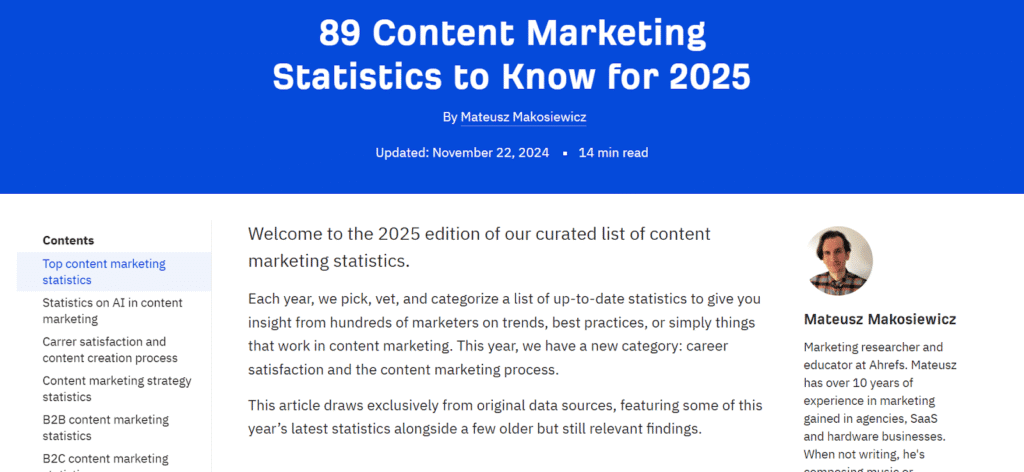
You don’t even need to conduct original research to create link-worthy content. Take a page from Ahrefs, whose annual data roundups earn them roughly 2,500 backlinks per post. Their success proves that organized, well-presented data, sourced ethically and properly cited, can be just as impactful as original research.
👥 Expert Roundups and Interviews
Expert roundups and interviews are powerful content formats that build authority, expand your reach, and naturally attract backlinks. By featuring insights from respected voices in your industry (thought leaders, niche influencers, or seasoned professionals), you boost the credibility and tap into each expert’s audience. Contributors are far more likely to transform content into backlinks that include their voice or perspective.
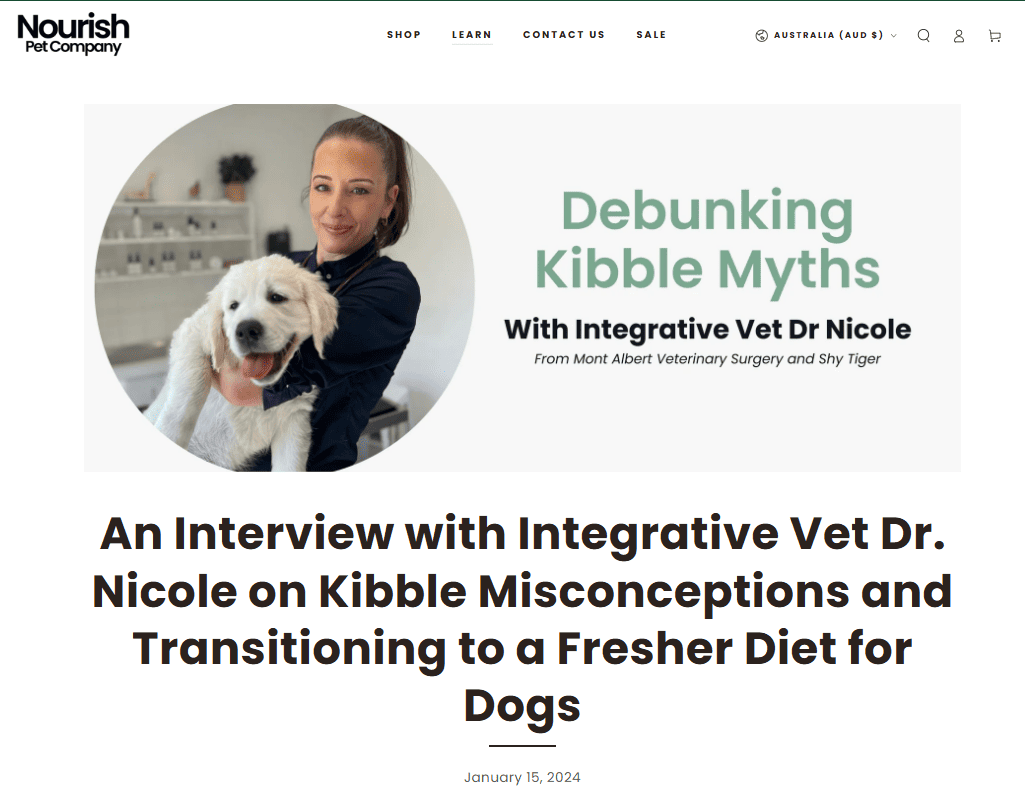
Let’s say you run a pet supply store. Interviewing a veterinarian or pet nutritionist gives your content instant credibility, while offering readers trustworthy advice they can use. But to make your content stand out, you need to do more than just string together a few quotes.
Turn your roundup into a story-driven, educational piece that feels curated, not copy-pasted. It also improves readability and helps your article rank for long-tail questions that might not be covered elsewhere.
📘 In-Depth Guides and Tutorials
Comprehensive how-to content solves a complete problem in one place, offering readers everything they need without forcing them to cobble together fragmented advice from multiple sources. That makes it an incredibly valuable asset for both users and publishers looking to cite a definitive resource.
Start by breaking down complex processes into logical, digestible stages. Use clear subheadings, step-by-step instructions, and plain language that accommodates both beginners and seasoned professionals. Wherever possible, enrich your explanations with visual aids like annotated screenshots, GIFs, or short screen-capture videos to illustrate each step in action, especially for technical or tool-based workflows.
To make your content even more helpful and linkable, include a “common pitfalls” or FAQ section. Anticipating user mistakes or concerns adds practical value and positions your content as thoughtful and comprehensive. For longer guides, consider offering a table of contents for easy navigation and a downloadable PDF version for offline access.
🖼️ Infographics
A well-designed infographic condenses complex ideas into an easy-to-digest visual format, making it ideal for busy readers, visual learners, and skimmers alike. But more importantly for link building, infographics are highly portable: they can live on social media feeds, newsletters, blog posts, presentations, and embedded widgets, expanding their reach far beyond your site.
The best infographics are clean, focused, and purposeful. Avoid overcrowding the design with too much text or a chaotic color scheme. Instead, limit your color palette, use consistent typography, and distill each key idea into a strong visual cue (an icon, chart, or data point). Clarity and visual hierarchy are essential; if a viewer can’t grasp the main takeaway within a few seconds, the infographic won’t deliver its full potential.
To encourage backlinks, provide a high-resolution downloadable file and HTML embed code. This makes it easy for other publishers to include your infographic on their content, and the embed ensures your website gets credit automatically via a backlink.
🧾 Tools and Templates
Tools and templates earn backlinks on repeat. It can be a budget calculator, an SEO audit spreadsheet, a project planning template, or a legal contract draft. These resources offer immediate utility. Users love them because they save time. Publishers love them because they solve real problems. To increase engagement and link potential:
- Pair each tool or template with a short tutorial or use case, helping users get started quickly.
- Include a changelog or version history, so visitors have a reason to come back when you update the resource.
- Offer editable formats, such as Google Docs/Sheets, or downloadable Word and Excel files, to cater to different preferences.
- Consider gating advanced versions behind a free sign-up to build your email list without sacrificing linkability.
What makes tools and templates especially effective is that they’re solutions. When someone includes your template in a blog post or recommends your calculator in a tutorial, they’re adding value to their own content by linking to yours.
🗺️ Interactive Content (Quizzes, Maps, Simulators)
Interactive content stands out in a sea of static pages. Unlike traditional articles or blog posts, interactive pieces actively engage users, inviting them to click, explore, calculate, or respond. This participation increases dwell time, boosts user satisfaction, and encourages social sharing. Three signals that positively impact SEO and make your content more appealing to linkers.
Keep your interactivity lightweight. Avoid overcomplicating the user experience with long load times, required plug-ins, or clunky navigation. The best interactive assets are intuitive, mobile-friendly, and quick to deliver value.
And it works: according to recent data, 44.4% of marketers who use interactive content report a successful strategy, compared to just 39.9% of those who rely solely on static formats. That difference may seem small, but over time, the extra links and shares compound.
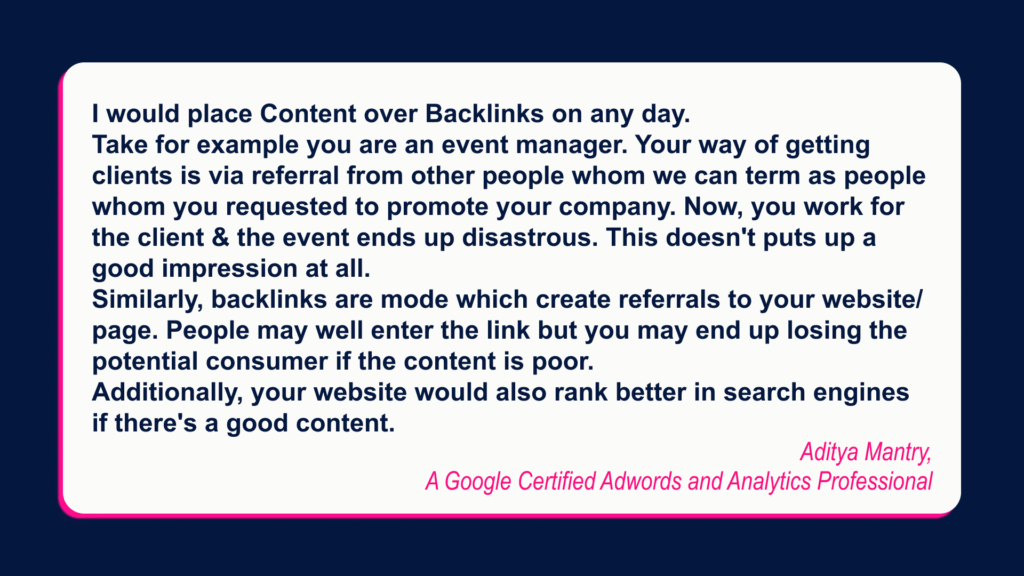
📣 How to Promote Content to Get Backlinks?
Promoting content to get backlinks involves strategically distributing and amplifying your valuable content across various channels to reach relevant audiences and encourage other websites to link to it. This process typically includes targeted outreach, social media sharing, community engagement, and digital PR efforts, all aimed at increasing the content’s visibility and demonstrating its value to potential linkers, thereby earning authoritative backlinks.
Creating a link-worthy asset is only half the game; the other half is putting it in front of the people most likely to cite it. An intentional content promotion for backlinks moves your piece from “published” to “referenced” faster and on a larger scale. Below are five complementary tactics that work together to surface your content for link building for journalists, bloggers, and niche site owners.
✉️ Targeted Email Outreach
Personalized email is still the highest-conversion channel for content outreach for link building, as long as you treat it like matchmaking rather than mass marketing.
- Build a vetted list. Use Ahrefs’ Content Explorer to find pages that have already linked to similar resources, proving they’re open to citing external work.
- Lead with relevance. Start your note by referencing the recipient’s recent article or tweet, then show how your asset expands or freshens their coverage.
- Offer a value-add, not a favor. Position your piece as a shortcut for their readers (“Your audience asked about 2025 Software-as-a-Service churn rates; we just published the latest dataset”).
- Follow up respectfully. One reminder a week later is fine; anything more drifts into spam territory and hurts your brand’s reputation.
Successful targeted email outreach hinges on quality over quantity. When its done thoughtfully, personalized outreach earns you backlinks builds relationships that can lead to long-term link-building partnerships.
📱 Social Media and Community Sharing
Social media platforms and niche communities are powerful amplification tools, especially when you understand how to work with their algorithms.
- Choose the right platform for the audience. LinkedIn groups for B2B data, X/Threads for industry news, forums, and Reddit subreddits for specialized guides, Discord or Slack communities for tool launches.
- Spark conversation. Share a surprising stat or tease an interactive element, then invite opinions (“Does this align with your experience?”). Comments and reposts push the link into new networks, multiplying discovery.
- Pin or highlight. Keep the post visible during the first 48 hours (when most links are earned) by pinning it to your profile or scheduling reposts across time zones.
Use social media and people sharing within their communities to start conversations. Pick a suitable forum, initiate meaningful discussions, and continuously show your content at the right moments. All of this can help you convert one post into a ripple of shares, clicks, and quality backlinks.
📚 Content Aggregators and Curated Directories
Content aggregators and curated directories offer a low-effort, high-reward way to amplify your reach and earn authoritative backlinks, especially when your own following is still growing. These platforms actively collect and promote high-quality content on specific topics, giving your work exposure to engaged, niche audiences who are already looking for resources like yours.
When submitted strategically, your content can end up featured in newsletters, industry roundups, or “best of” directories – all of which are frequent sources of backlinks from reputable websites.
📰 Digital PR and Strategic Partnerships
Digital PR blends classic outreach with newsworthiness. Frame your research or tool as a story that fits current editorial calendars – annual trends, legislative changes, or seasonal demand swings.
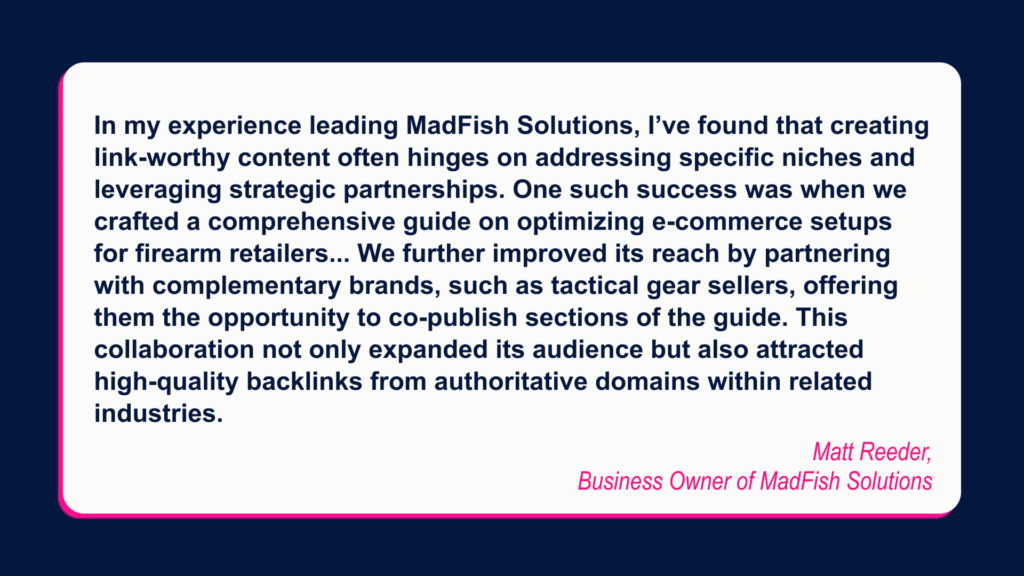
Offer exclusive first access to one top-tier publication in return for a link, then widen distribution through a press release or a journalist mailing list such as HARO. Partnerships with complementary brands or even universities running relevant studies can also unlock high-authority links that solo outreach seldom secures.
🤝 Influencer Collaboration
When it comes to building links and trust, influencer collaboration is one of the most underused but high-impact strategies. And we’re not just talking about social media stars with millions of followers, we mean subject-matter influencers: the trusted voices in tight-knit communities who shape opinions and guide decisions. They can also be selective, especially when it comes to what and who they link to. That’s why your approach needs to focus on value, not vanity. Here are a few smart, link-friendly ways to collaborate:
- Co-create a mini case study using your product, research, or data, then share it across both your audiences.
- Host a live walkthrough of your interactive tool or resource via a webinar or platform-native livestream (Instagram Live, LinkedIn Live, YouTube Live).
- Feature them in your content through a quote, short interview, or expert tip. Provide a pre-written, branded snippet they can embed on their site with proper attribution.
- Collaborate on podcast content. With 46% of weekly podcast listeners making a purchase based on an ad, co-branded podcast episodes or even paid placements can earn exposure, trust, and links.
Offer influencers unique insights, ready-to-use assets, or content that directly benefits their audience. When your offer aligns with their values and adds real value, you increase your chances of not just getting a backlink but building a long-term relationship.
📏 Measuring the Success of Content-Driven Link Building
Without a clear measurement framework, you’re flying blind with your content strategy for link acquisition. With one, you’ll know exactly what’s working, what’s not, and how to course-correct. Here’s how to measure whether your content is simply live or genuinely improving SEO.
🧰 1. Build a Reliable Data Stack
To capture the full picture, you’ll need a blend of tools that track backlinks, authority, traffic, and conversions: Google Search Console and Ahrefs, SEMrush, or Majestic. Together, they’re great for spotting newly earned links, analyzing anchor text trends, tracking click-through rates to linked pages, and comparing your link profile with competitors. This stack gives you a multidimensional view of your link building impact, from discovery to conversion.
📐 2. Track Metrics That Matter
Focus on actionable metrics, not vanity numbers. Here’s what to watch:
| Metric | Why It Matters | How to Interpret |
| New Backlinks | Shows how far and wide your content is reaching. | Spikes are okay, but steady growth month-over-month indicates long-term traction. |
| Referring Domains | Measures diversity, which helps mitigate algorithmic risk. | A variety of linking domains is stronger than many links from one source. |
| Link Velocity | Flags unnatural or manipulative link patterns. | Watch for sudden surges from unrelated or low-quality sources, as they can invite manual penalties. |
| Weighted Organic Visibility | Connects link acquisition with improved search presence. | Track impressions and rankings for target pages linked externally. |
| On-Page Traffic & Conversions | Proves business value beyond SEO. | Use attribution modeling (first-click, data-driven) to identify how links influence goals like form fills or purchases. |
🔁 3. Create a Feedback Loop
Review dashboards every 30 days, but dig deeper at 90-day intervals, long enough for links to be crawled and ranking changes to settle. Feed the insights into your next earning backlinks with content brief (e.g., topics that earned high-authority links but low volume may warrant a broader follow-up piece).
By measuring link building like a performance-driven marketer, you can build smarter content, attract better backlinks, and drive meaningful, measurable growth.
🏗️ Integrating Content into a Sustainable Link Building Strategy
SEO content marketing is a great link building strategy. Plan your editorial calendar by quarters, mixing reliable formats like evergreen guides and expert roundups with a few experimental pieces. Set refresh dates upfront to keep content relevant and link-worthy.
Build repeatable outreach systems by documenting prospecting criteria and follow-up processes. Automate where possible, but keep pitches human. As your strategy scales, this ensures consistency of your content for link building without sacrificing quality. Stick to ethical link building practices. Avoid link swaps or disguised sponsored posts, monitor backlinks regularly, and disavow toxic links to protect your domain.
Finally, scale smart. Repurpose successful content into new formats like infographics or webinars, and refresh top-performing pages annually. Collaborate with other teams so new tools or data launches include built-in opportunities for links.
✅ Wrapping It Up
How to create content for link building is no longer about beating the algorithm; it’s about outperforming expectations. When your content answers real questions with original insight, packages that value in engaging formats, and reaches the right audiences through disciplined promotion, links arrive as a by-product of genuine usefulness.
To better execute content marketing for link building, measure what matters, refine on a schedule, and keep ethics at the center of every outreach email. Do that yourself, or contact NeedMyLink to save you the trouble of implementing content marketing link building strategies. And each asset you publish becomes an appreciating SEO investment – one that drives authority, traffic, and leads long after today’s tactics fade.


