


As for something that doesn’t have a head, link building wears too many hats – gray, black, and white. Yet Google tips its cap to only the white one. Why the millinery talk? Relax, you didn’t stumble into a style blog. “White hat” simply means ethical link building, and that’s why you’re here.
Choosing the white hat means playing by the guidelines: publish resources people genuinely value, earn mentions naturally, and skip the shortcuts that come with price tags. Sure, paying for a link can feel faster until a penalty chases you down.
This article lays out what ethical link building looks like, why it keeps your rankings steady, and how to pull it off with eleven proven tactics from high-quality content and broken-link rescue missions to digital PR. No magic buttons, just practical steps and a promise that every link you earn today will still look good on you tomorrow – white hat and all.
🤔 What Does Ethical Link Building Mean?
It’s the art of earning backlinks naturally by publishing content and experiences people choose to cite. No coaxing and bribing required. Following Google Search Essentials, serving genuine value to visitors, and ruling out paid placements or link swaps.
Alternatively, black-hat moves such as buying links or joining link farms, and gray tactics like reciprocal exchanges, introduce artificial signals. If you’ve ever bought or swapped a link, don’t panic; you’re in crowded company. A survey indicates that 74.3 percent of link builders admit to slipping a few dollars under the table.
✅ Why Ethical Backlinks Matter?
Your backlink profile quality remains one of the principal ranking factors. Search engines favor trustworthy, on-topic sources. Shortcuts may look tempting, yet overusing them often triggers ranking drops, manual penalties, and a rapid loss of trust from visitors and partners. Ethical links avoid those pitfalls and give your SEO a low-risk foundation built to last.
🌍 The Impact of Ethical Link Building Methods
When you plan to grow a website over the years rather than months, ethical link building proves far more durable than other methods. Bit by bit, you earn the confidence of both algorithms and real readers; visibility rises, authority accumulates, and you sleep easy knowing there’s no penalty waiting around the corner.
🔗 11 Ethical Link Building Techniques
Ethical backlinks aren’t conjured with a wand; they’re earned by showing readers something worth sharing. Below is the ethical link building guide with 11 time-tested tactics. Pick the ones that suit your situation and mix them into your SEO plan.
📝 1. High-Quality Content
The simplest path to trustworthy links starts with material you’d bookmark yourself. At NeedMyLink, we dig for questions our audience actually asks, cross-check trending keywords, and refuse to recycle the top result on Google just because it’s easy. A well-researched, well-written article does two jobs at once: it educates visitors, and it gives other site owners a solid reason to cite your page instead of someone else’s.
Tiny reminder: Quality isn’t about word count alone. Clear structure, accurate sources, and a fresh angle matter more than padding an article with fluff.
📊 1.1 Create Valuable Stats and Metrics
Original data carries serious weight in digital conversations. If your team can run a survey, scrape public records, or mine your own user base for anonymized insights, do so and publish the full methodology.
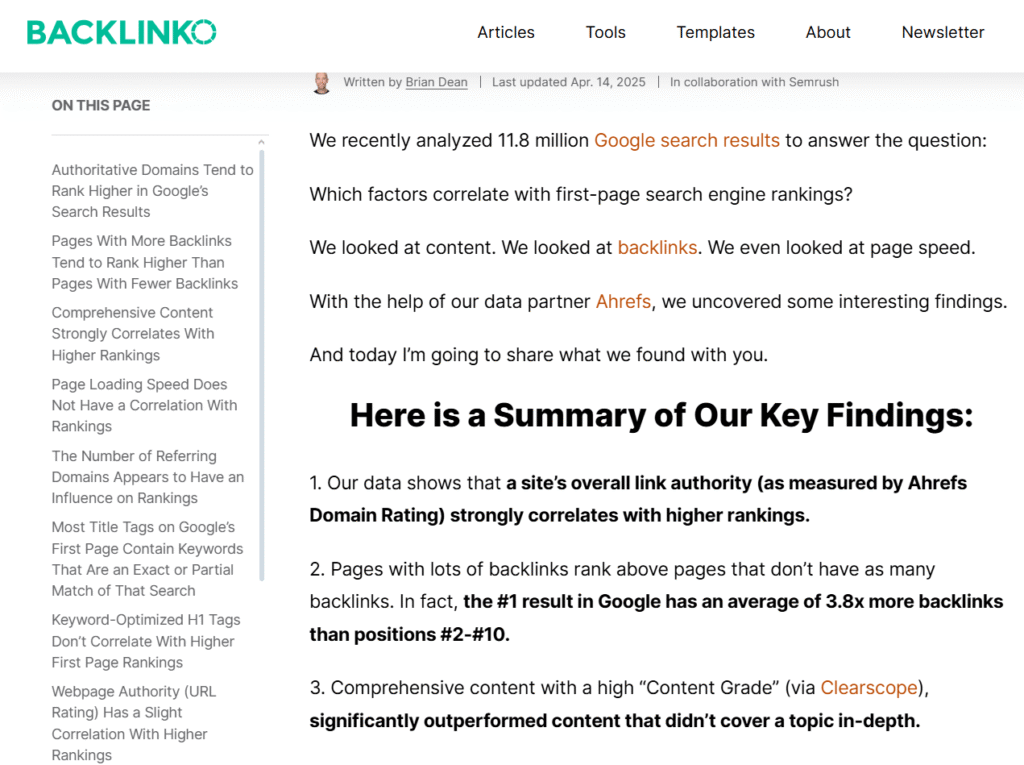
Writers, journalists, and bloggers love hard numbers. Just look at how often SEO pros reference Backlinko’s research. When you become that go-to source in your niche, the backlinks arrive without a sales pitch.
🔥 1.2 Hot and Viral Topics
Every industry has a running debate, think recycled fabrics in fashion or AI ethics in marketing. Join the conversation early, add evidence, and sprinkle in a tasteful meme or two. The combination of timely commentary and a bit of humor can push your post onto larger outlets’ radar. If Forbes or Vogue quotes your perspective, you gain both referral traffic and a badge of authority.
📘 1.3 Publish Step-by-Step Guides and Tutorials
Clear tutorials never go out of style. Walk the reader from “I have a problem” to “problem solved,” and don’t skip screenshots or real-world examples.
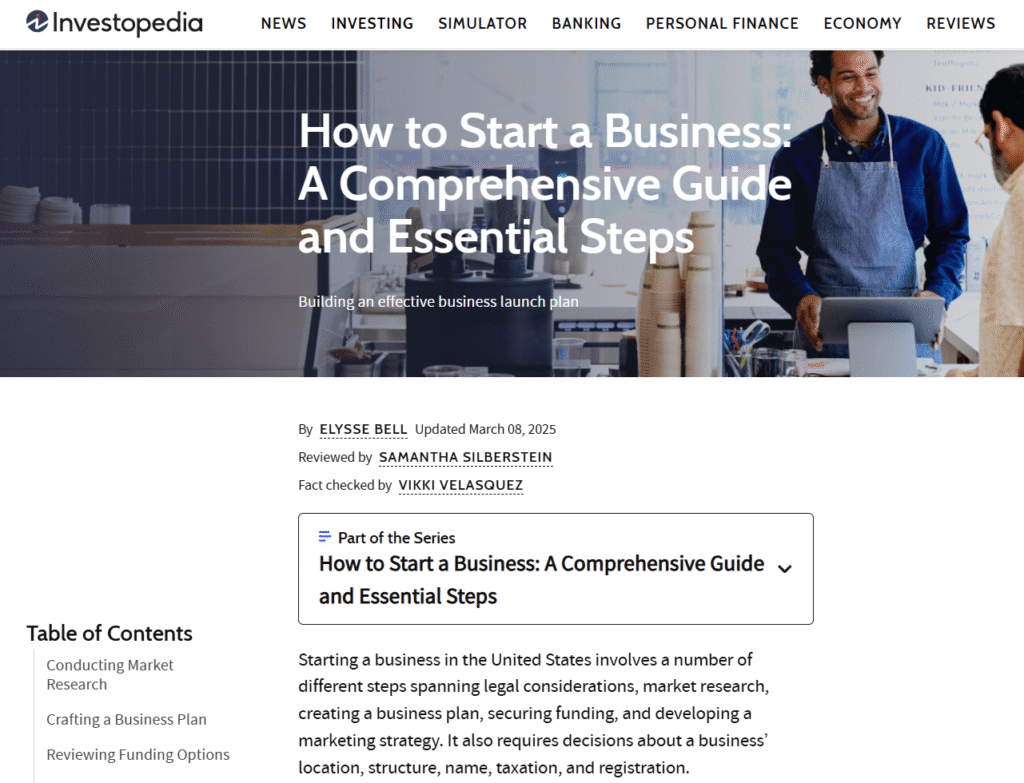
If you already have a how-to that’s growing stale, update the screenshots, polish the copy, and swap in stronger keywords. Google appreciates recency, and long-tail visitors appreciate instructions that still match today’s interface.
🧲 1.4 Offer Linkable Assets
Think beyond text. A pricing calculator, downloadable template, or “vacation-packing checklist” can save someone hours of work, which makes it virtually guaranteed to be shared.
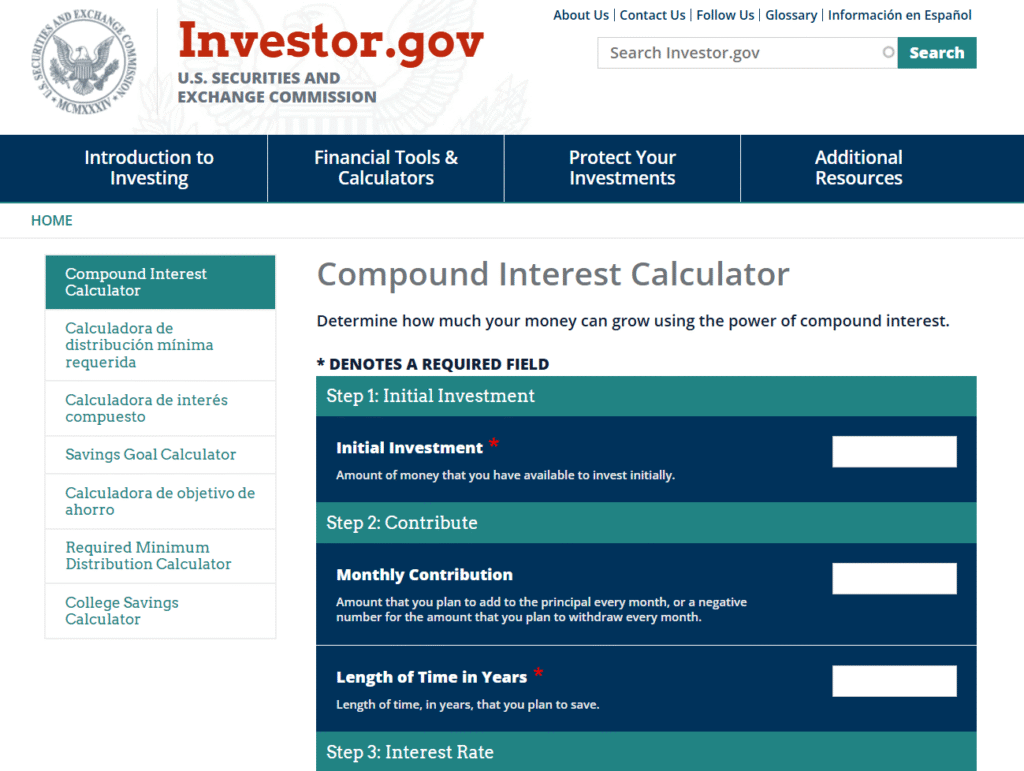
Start small if needed: turn the Excel sheet you’ve been using internally for months into a public Google Sheet, attach simple usage notes, and watch colleagues in your field start linking to it as a handy shortcut.
🖼️ 1.5 Visualize Information with Infographics
Dense statistics can feel like homework. Transform them into a single, scannable image, and you make life easier for readers and for editors hunting visuals to embed. When another site republishes the infographic, they’ll usually credit your domain under the graphic, creating a clean, editorial backlink.
🎥 1.6 Use Video Content
Online videos have a massive audience reach, with 92.3% of the global population able to access them according to WIX. Convert your strongest posts into short clips: summarize the main points, add captions, and close with a clear call to action. Host on YouTube, embed the player in your article, and share snippets on social platforms. Each upload expands the number of places someone can link to your expertise, and it often boosts on-page engagement metrics as well.
✍️ 2. Guest Posting
Publishing on respected blogs is a classic way to share expertise, earn a high-quality backlink, and put a fresh audience in front of your brand. Guest posting is the most popular among ethical link building services. Look for sites whose readers overlap with your own. Traffic and topical match matter more than raw Domain Rating. Write a pitch with value – a tight outline that fills a gap in their archive gets more “yes” votes than a generic “We’d love to contribute.”
Some publishers charge a “placement fee.” That’s the moment ethical link building becomes intertwined with black hat. Consider potential gains and the website’s authority before offering it a guest post.
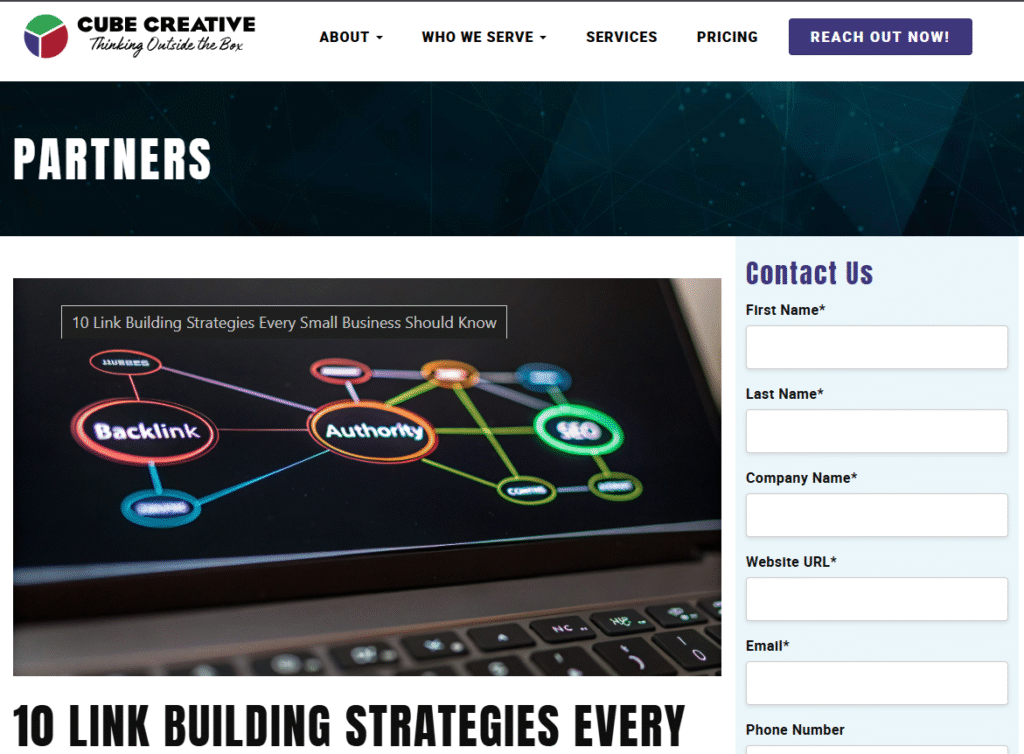
Not all platforms are this way. We recently collaborated with Cube Creative Design. They accept only pieces that teach the audience something new. We sweated over original screenshots and clear steps to walk away with a shiny, dofollow link we’re proud to display at the end.
Pro tip: Treat every guest post like it’s going on your own homepage. Because your name will be on it forever.
🧱 3. Broken Link Building
Webpages vanish, URLs change, and 404s pile up like forgotten road signs. All these broken links negatively impact the site’s authority. That’s something that no webmaster can foresee. You can play hero and:
- Find the breaks. Tools such as NeedMyLink Broken Link Checker, Screaming Frog, or even a free Chrome extension will scan any domain for dead outbound links.
- Match with your content. If you already have a resource covering the linked topic, great. If not, create or upgrade one that’s genuinely better than the original.
- Reach out politely. A brief email that (a) flags the busted link, (b) explains why yours is a fit, and (c) thanks them for their work often gets a grateful reply.
As a result, the webmaster provides a better user experience. You gain a fresh backlink without spending a dime or bending a rule. Keep the flow by running the same audit on your own site every quarter. Nobody wants a graveyard of 404s on their websites.


🔍 4. Competitor Link Analysis
Competitor analysis should follow you with every business decision you make, including link building. Your rivals’ backlink profiles are public case studies in what works in your niche.
Drop competitor domains into Ahrefs, Semrush, or Majestic and export their referring-domain list. Ignore spam directories; flag niche blogs, industry hubs, and overlooked resource pages. And if five competitors are praised on the same association website and you’re missing it, introduce yourself to that editor. Did they earn links through scholarships, data studies, or tool launches? You can replicate or improve the formula ethically.
The goal isn’t to clone their backlink profiles. Most likely, it would be considered a manipulative tactic that results in a penalty. It’s to uncover opportunities and then outshine with better content and outreach.
📚 5. Resource Pages
Plenty of websites host “Resource” pages. They are perfect parking spots for your calculators, cheat sheets, and white papers from the first technique. Take a look at Steph Sheldon’s resources hub: articles, courses, brands can live there for years, funneling both trust and traffic.
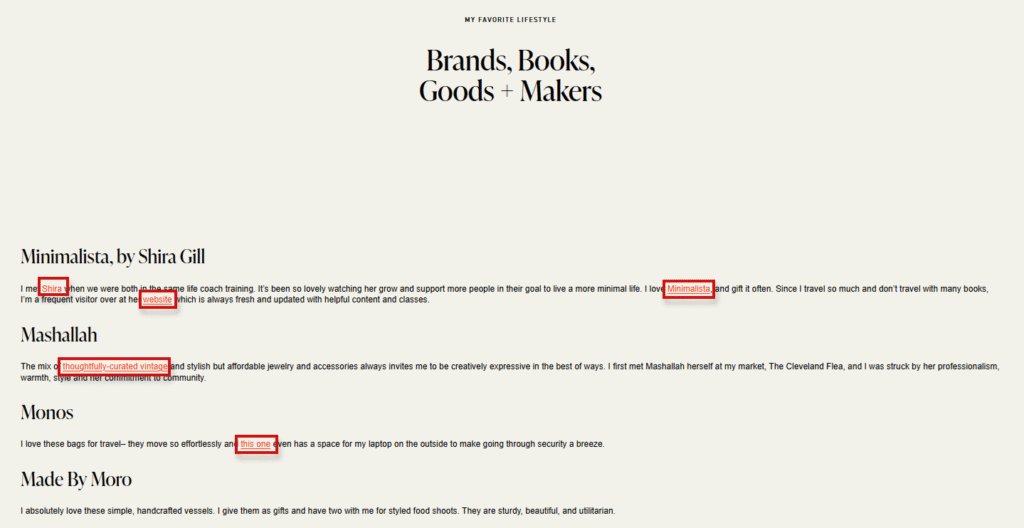
To find those pages, use the search operator “intitle:resources” with core keywords (e.g., “photography intitle:resources”). Check Domain Rating, traffic trends, and whether they update regularly. A dormant page won’t drive visits.
Now, to the outreach part, the most successful link building efforts depend heavily on the strength of your soft skills. Show why your asset shortens readers’ learning curve or saves them money. Attach a screenshot so editors can picture it live. Keep resources fresh. When you update the asset with new data and improved UX, send the host a quick note. They’ll often highlight the refresh and reinforce your link.
🔁 6. Internal Link Building
Before, we mostly talked about external link building opportunities. But there is also the internal one. When you link within your site, you help search engines to index your content faster, and for users, it guides them through one useful page to another without leaving your website. Internal structure keeps the lights on when you build logical pathways that help users explore and signal topical clusters to Google, and use descriptive anchors, “How to Choose Hiking Boots” is miles better than “click here.”
Regularly audit internal links with Screaming Frog. After a crawl, flip to the Inlinks tab. Look for orphan pages (0 inlinks) and over-linked targets (50+ from the same URL – yes, we’ve seen it). Export results, fix anchor spam, and prune duplicate links so equity flows naturally.
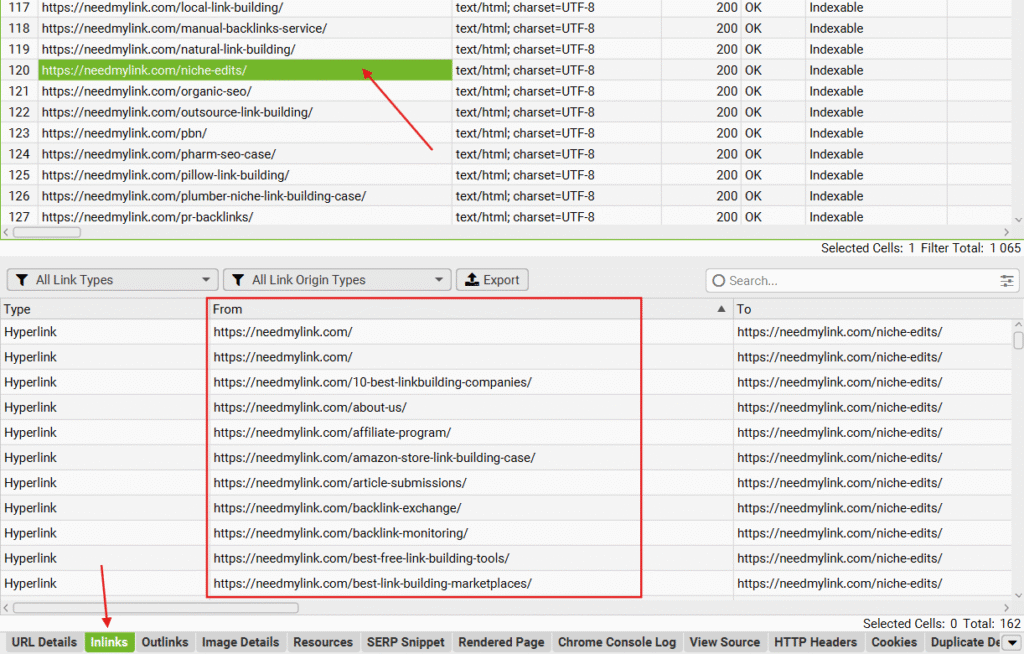
As the site’s structures evolve, your internal links should evolve with them. Done well, internal linking boosts crawl efficiency, lowers bounce rates, and quietly nudges under-performing pages up the rankings. No weeks of outreach emails required.
🛍️ 7. Product and Customer Reviews
Happy customers don’t always speak up, unless something went wrong. Give satisfied buyers a gentle nudge (a small coupon, early-access sale, or loyalty points) and ask them to post on Google Business, G2, Trustpilot, or an industry-specific directory. Most platforms let reviewers list a brand’s website or social handle, which becomes a tidy backlink for you.
Want extra exposure? Publish your own thoughtful reviews of tools you actually use. High-authority review sites often include an author bio with a live link. Stick to genuine, balanced takes – savvy readers can smell lies a mile away.
✨ 8. Link Insertions and Niche Edits
Think of niche edits as the no-draft cousin of guest posts. You locate an existing article where your resource adds value, approach the publisher, and ask them to weave in a relevant mention. Remember, the surrounding paragraph should already discuss a concept your page covers in detail. Point out to the webmaster how your link deepens the reader’s understanding or supplies missing data. Be sure the link insertion is relevant and natural.
📰 9. Digital PR and Journalists
PR stunts are not only for celebrities promoting their latest movies. Journalists crave fresh angles, unique numbers, and quotable experts:
- Cultivate relationships first. Follow reporters on X or LinkedIn, comment when their stories drop, and share their work.
- Package the pitch. Your email should contain a headline, a two-sentence hook, a bullet list of takeaways, and a link to the full dataset or story.
- Be timely. React to breaking debates (hello, 1.2 section) within 24 hours; speed counts in a newsroom.
A solid placement on a regional paper or trade magazine earns both trust and an editorial backlink, with zero “PR stunt” aftertaste. Bonus: your insight might wind up in reactive coverage when the same topic flares again.
💬 10. Social Media and Forums
Roughly 24 percent of people now treat social platforms as a search engine. If you sell straight to consumers, ignore that trend at your peril. Every bio should point to a flagship page–no link trees. Don’t be a ghost with a link in bio, post. Short, instructive threads or reels drive shares; bare links rarely do.
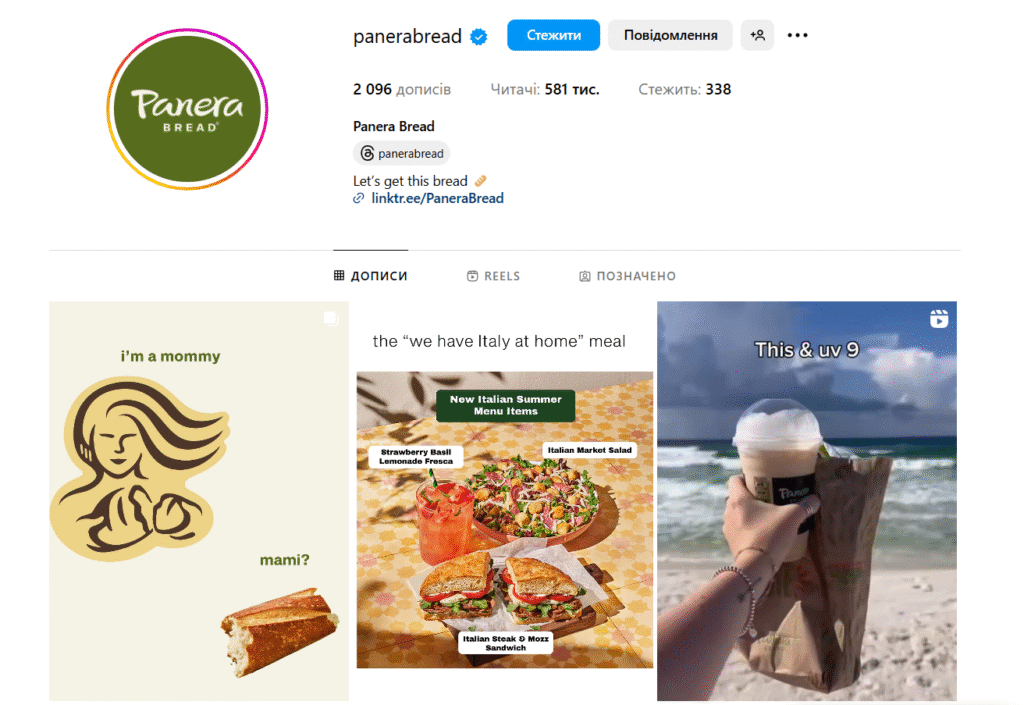
Join conversations on forums. Yes, they’re still relevant. Subreddits, Quora boards, and niche Discords reward honest answers. Slip in your link only when it truly solves the question. We’ll brag a little: our forum-link packages outperform the competition, partly because we never drop links without context. Now you know who to ping when your Reddit link building needs boosting.
🛒 11. Use Link Marketplaces and Platforms
There are a lot of marketplaces and platforms for link building. Done carefully, curated marketplaces can save time, money, and nerves: Prioritize platforms that screen publishers and emphasize editor-approved links, not automated directories. Look for sample reports, live dashboards, and clear refund terms. Outreach, copywriting, monitoring good vendors bundle more than a URL and walk away.
We’ve already reviewed some marketplaces in our other piece. So now we’ll focus more on ethical link building services we can offer at NeedMyLink:
- Guarantees that links stay live or get replaced.
- On-schedule delivery, no ghosting.
- A growing catalog across multiple regions and industries.
- Real-time chat with managers who answer, not autoresponders.
- Free consultations, so you can decide whether you even need us before you spend a dime.
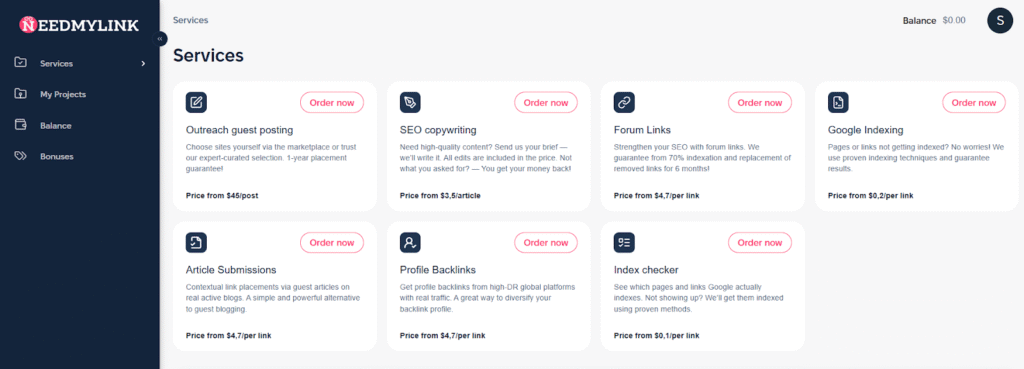
Remember, a marketplace should complement your outreach, not replace it. Use it to reach corners of the web your own team can’t, then keep building relationships the old-fashioned way, one helpful email at a time.
🏁 Wrapping It Up
Ethical link building is the backbone of a resilient SEO strategy. When every backlink springs from real value – whether that’s a data-packed study, a guest post that teaches something, or a timely answer in a lively forum – Google takes notice, readers stick around, and your website’s authority compounds month after month. It’s slower than buying a stack of links, sure, but the finish line is higher rankings you get to keep, plus a brand reputation you’re happy to sign your name to.
The eleven approaches we’ve covered all share one theme: put the audience first. Craft content that solves a problem, pitch editors with genuine improvements to their articles, help a journalist hit deadlines with fresh numbers, or guide a customer toward the right product and invite them to share their story. Do that consistently, track what works, and refine your outreach like any other business process.
Of course, you don’t have to walk this road solo. If you ever need a second set of eyes for vetting a potential resource-page placement or auditing your internal links, NeedMyLink is a chat away. But no matter who you partner with, keep the white hat firmly on. Your future self (and your analytics dashboard) will thank you for choosing the path that scales, sustains, and never needs a panic-button disavow file.
So take a deep breath, pick two or three tactics to roll out this quarter, and let the compounding effect begin. Ethical link building pays in authority, trust, and peaceful sleep, and those dividends never go out of style.


