


SEO professionals widely accept that backlinks heavily influence search rankings. Research shows that pages at the top of Google’s results boast nearly four times as many referring domains as lower-ranking pages. Still, backlink quality matters just as much as quantity.
Manipulative practices – paid link rings, irrelevant sidebar placements, or comment-spam blasts – can put your site on thin ice. Keystar reports that 40 percent of online companies close within half a year after a Google penalty. Few businesses can absorb that hit.
What can you do to shield your domain? The sections below explain what are unnatural links, methods to identify them, actionable repair steps, and proven ways to prevent penalties from the outset.
😉 Unnatural Links Defined
An unnatural link is any backlink added mainly to sway Google’s algorithm rather than to help users. Organic links appear when readers genuinely value your content; unnatural ones are artificial, off-topic, or planted solely for SEO gain. They might be purchased, traded, hidden in low-quality comments, or secretly injected into other sites. Google’s ranking systems favor pages that serve readers. Because backlinks help Google gauge trust, low-value links can undermine that assessment.
❓ The Risk of Unnatural Links: Google’s Penalty Framework
You might wonder, “If a few extra links move me up, what’s the downside?” Artificial links skew Google’s evaluation process, eroding result quality. For that reason, Google treats them seriously.
Why Does Google Penalize Unnatural Links?
Google wants to reward genuinely helpful content, not content that’s artificially boosted through black hat SEO. Unnatural links violate Google’s Search Essentials, which clearly state that manipulative linking is against their guidelines. When its systems detect link manipulation, two enforcement paths exist:
- Algorithmic downgrades. Core updates, such as Penguin, automatically discount suspicious patterns and reduce the visibility of affected pages.
- Manual actions. A human reviewer can label your profile as “Unnatural links to your site” or “Pure spam” inside Search Console, cutting your traffic until the issues are resolved.
Either outcome can erase years of growth overnight.
🤔 When Do Unnatural Links Cross the Line?
Google rarely intervenes over a single questionable backlink. Its systems look for recurring manipulation – multiple links that form a pattern rather than a one-off slip. In practice, just a couple of spammy referrals pointing to the same URL can be enough to raise red flags. Worse, Google weighs your entire history. A paid blog-roll you bought three years ago still counts today, so past shortcuts can undermine today’s white-hat outreach.
What’s at Risk?
Once you’re flagged, the consequences can be serious and long-lasting:
- Ranking loss. Target queries, whole folders, or even the homepage can slide off page one.
- URL removals. Especially toxic pages may be de-indexed entirely.
- Domain-wide visibility drop. In serious cases, every page in the site map feels the hit.
- Lower PageRank. A shrinking authority score makes future content harder to surface.
Recovery is never guaranteed. After disavowing or deleting harmful links and filing a reconsideration request, some publishers wait months for traction, while others never regain former positions. For sustainable growth, build backlinks that are earned, not engineered.
☝ Spotting Problem Links Early
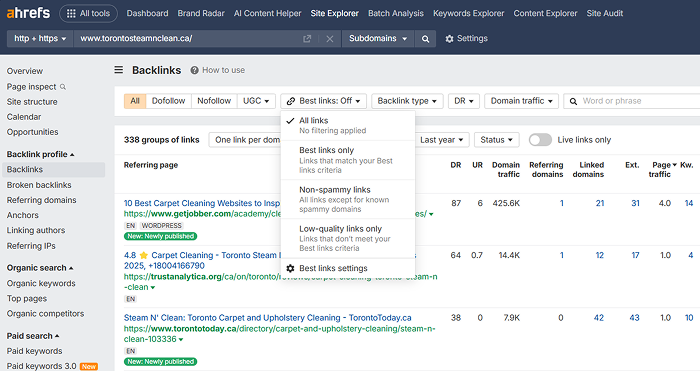
The best defense is routine monitoring. Tools such as Ahrefs, Google Search Console, SEMrush, or Serpstat let you export referring-domain lists and highlight anomalies. Ahrefs’ spam filter, for instance, flags domains with thin content or repetitive anchor text so you can review them quickly.
That said, numbers alone don’t tell the full story. Every vertical carries its own risk profile:
- Lower-risk sectors (local restaurants, home services, boutique shops) can thrive on fully compliant outreach.
- Higher-risk arenas (gambling, pharmaceuticals, crypto) often tempt publishers into gray-area tactics just to keep pace.
Even if “everyone does it,” penalties still apply. If you decide to compete aggressively, keep a contingency plan: regular link audits, swift disavow files, and a rollback budget in case traffic nosedives.
Proactive audits, contextual analysis, and a commitment to organic outreach protect your site far better than any quick-fix scheme. When in doubt, ask whether a backlink exists to help readers. If the answer is no, it’s probably not worth the gamble.
🔗Which Backlinks Put You on Google’s Radar?
Google reviews two things when it examines a backlink: origin and intent. If the intent is to tilt ranking signals rather than help readers, that link is vulnerable to enforcement. Below are the link types most often tied to penalties. Keep them in mind whenever you audit your profile.
1️⃣ Hidden or “Injected” Links
These are URLs stealth-inserted into someone’s code base – usually after a server breach, a compromised content-management system, or an outdated plug-in. Because the site owner never approved them, they bypass all editorial oversight. Search engines regard that absence of consent as direct evidence of manipulation. Detect them early with security scans and backlink crawls, then delete or disavow them all at once. Failure to act can put both the hacked domain and the destination domain in jeopardy.
2️⃣ Redirects from Purchased or Expired Domains
Another common shortcut involves buying a lapsed domain with an attractive backlink record and forwarding its traffic (via 301 or meta refresh) to a fresh site. While the boost can look impressive for a few weeks, Google’s spam team views the tactic as recycling authority rather than earning it.
A real-world cautionary tale is the Conch House project. Investors acquired a 1996-vintage domain loaded with reputable referrals, published templated “best-of” reviews, and scraped pricing tables for rapid content expansion. Rankings ballooned into the millions, and affiliate income likely followed. Within months, however, successive core updates and at least one manual action erased nearly all visibility. The site was later dropped from the index entirely – a reminder that short-term wins rarely offset long-term risk.
3️⃣ Low-quality Bookmarking and Directory Links
Listing your site on generic bookmarking platforms or unvetted link directories may look like easy publicity, yet these pages deliver almost zero value for readers.
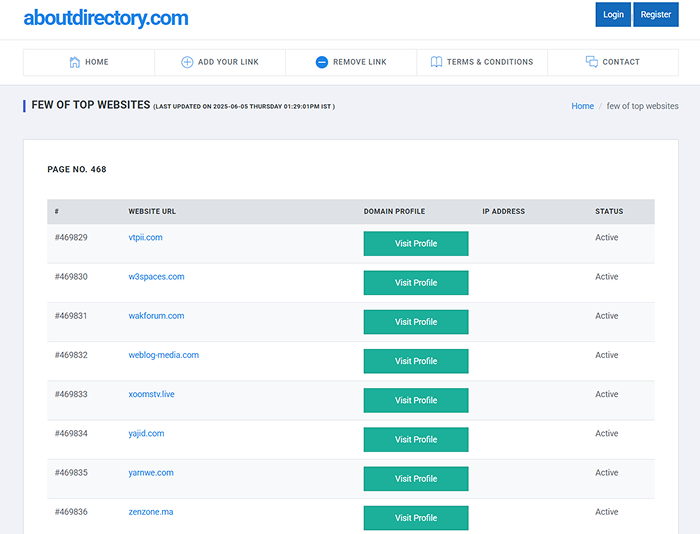
Because they lack editorial oversight and are frequent targets for spam bots, Google treats backlinks from such sources as manipulative. Relying on them raises the likelihood of a penalty and chips away at perceived authority. Focus instead on vetted, niche-relevant directories or active communities where a real audience benefits.
4️⃣ Link Schemes and Exchange
Swapping links or building closed networks whose only purpose is to pass PageRank remains a classic shortcut, but one with a steep downside. When exchanges become routine, involve unrelated topics, or use thin affiliate sites, Google flags the pattern as artificial promotion. If you choose to trade links at all, keep volumes low, limit partners to closely related domains, and document the editorial reason each reference exists. Otherwise, a single algorithm refresh can wipe out hard-won visibility.
5️⃣ Comment-Section Spam
Dropping URLs in blog comments once worked, especially when automated tools could create thousands overnight. Today, pages with endless off-topic remarks serve as clear evidence of spam.
For example, this is a page with over 10,000 comments, most of which have nothing to do with the blog topic. These comments are posted solely to insert backlinks, without adding any value to the conversation.
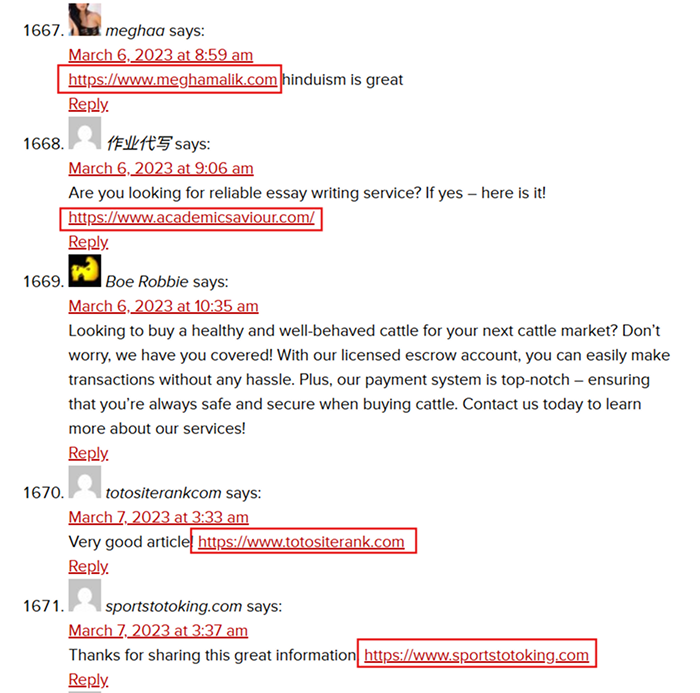
Search systems downgrade these outbound links, and dependence on them can drag your own rankings downward. If you leave a comment, make sure it adds genuine insight and that the host site moderates contributions.
6️⃣ Private Blog Networks (PBNs)
A Private Blog Network (PBNs) is a cluster of domains (often expired or repurposed) that exists for one reason: funneling authority to a “money” site. Every post, internal link, and anchor text is engineered to artificially inflate rankings. While the approach can feel like a fast track, Google’s link–spam systems now read these footprints with ease. Once a PBN is uncovered, both the network and its target can vanish from the index.
For years, SEOs have debated whether the tactic offers any durable advantage. Supporters claim it gives full control over anchor text and publication cadence; critics counter that the upside is fleeting and the fallout brutal. Google’s own guidelines leave no wiggle room – PBNs violate the rules outright.
7️⃣ Sitewide Links
Sitewide links appear in footers, sidebars, or global navigation across an entire domain. When placed for genuine reasons – crediting a designer, acknowledging a partnership – they’re usually harmless. For example, some services on platforms like Fiverr offer cheap packages to place sitewide links across dozens or hundreds of sites. These, though quite tempting and low-cost offers, are providing no SEO value, triggering Google penalties, and damaging your backlink profile.

Trouble starts when they’re sold in bulk on freelance marketplaces or blasted across unrelated niches. Excessive, off-topic sitewide links create a pattern Google flags as manipulation. Keep them rare, contextually relevant, and clearly editorial.
8️⃣ Profile Links
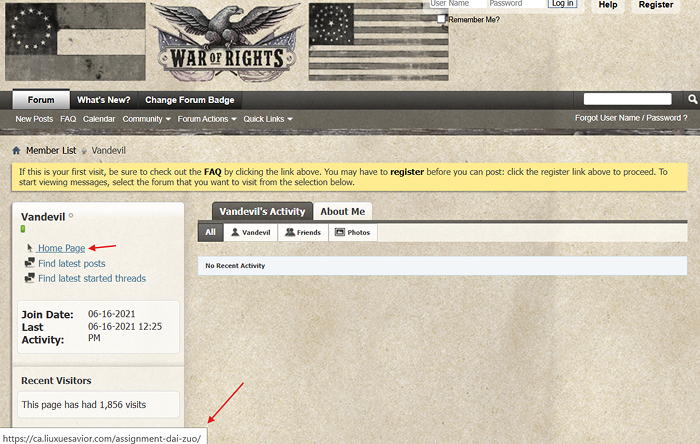
Profile links involve building user accounts on forums, social platforms, or business directories, solely to drop a backlink in the bio, which was once standard practice. Today, bulk-created profiles add little value for real readers and stand out as spam. A few authentic profiles tied to active participation won’t hurt you, but mass registration campaigns are a poor bet.
9️⃣ Duplicate-Content Syndication
Content syndication involves republishing an article on outside sites and pointing each copy back to the source. Done selectively – with edits and canonical tags – it can extend reach without harm. Trouble starts when the same text is blasted across dozens of domains just to collect backlinks.
Press-release bundles sold on freelance marketplaces illustrate the issue: for a small fee, they paste an unaltered story onto sixty-plus blogs. Search engines then crawl scores of identical pages, each carrying the same anchor text. That uniform footprint signals manipulation, not genuine endorsement, and invites an algorithmic downgrade or a manual notice if the pattern is obvious enough.

Better approach: If you syndicate, rewrite the piece for every outlet, secure rel=”canonical” where possible, and limit placements to reputable partners with audiences that match your niche.
🔟 Mass-Posted Forum Links
Automated tools that flood discussion boards with profile or comment links fall squarely under spam. These posts rarely add insight, often ignore the thread’s topic, and can be spotted instantly by modern filters. Google either discounts the links or, in harsher cases, penalizes the source site for systematic abuse.
Still, forums aren’t off-limits. A handful of context-rich contributions (complete with thoughtful replies and occasional citations) can send modest referral traffic and naturally earned backlinks. What fails is the “spray and pray” method of dropping thousands of low-effort links overnight.
Engage where you can provide real value. Bulk forum blasts and one-click press-release packages may offer a momentary lift, but the long-term damage to trust and ranking power outweighs any short-term gain.
💭 How to React to an Unnatural Links Penalty
If your website has been hit with a Google unnatural links penalty, it’s crucial to act quickly and systematically. First, identify the bad links by using the SEO tools we mentioned earlier. Carefully analyze these links, not only looking at metrics like Domain Rating (DR) or traffic but considering many factors that indicate whether a link is harmful or safe.
Next, reach out to the owners of the websites hosting the unnatural links and ask them to remove those links. Keeping a record of your removal requests shows good faith in your efforts. For the links you cannot remove manually, use Google’s Disavow Tool to tell Google to ignore these harmful backlinks when assessing your site. Be careful and precise with disavowing, as removing legitimate links can do more harm than good.
Submit a reconsideration request after cleaning up your link profile. Be honest and transparent in explaining the steps you’ve taken to fix the issue, which can help speed up the recovery process.
Because dealing with unnatural links and penalties is complex and time-consuming, it’s often worth consulting and booking services from experienced agencies that understand all the nuances of link building.
Recovery from an unnatural links penalty takes time, but with genuine effort and clear communication with Google, it is possible to regain your site’s rankings and trust.
🔥 Preventing Google Action on Bad Links
Google has a pretty simple message these days: build great content for people and don’t try to play the system with shady backlinks. If you ignore that advice, you might wake up one morning to find your rankings have mysteriously fallen off a cliff. Here’s how to avoid Google penalty and keep those bad links from becoming a problem:
1. Earn Links By Being Actually Useful
You want links? Create content that real humans care about. Write guides that answer questions, publish original research, and offer tools or resources that others want to share. The best links are the ones you don’t have to beg for. To stay away from unnatural links warnings, avoid the link-buying schemes, private blog networks, or other “get-rich-quick” SEO tricks. Google’s spam systems have seen it all, and they’re not impressed.
2. Keep an Eye on Your Backlink Profile
Even if you’re playing fair, sometimes bad links sneak in. So, how to find unnatural links to your site? Regularly check your backlink profile. Look out for weird spikes, spammy domains, or sites that have zero business linking to you. You want to catch issues early before they snowball.
3. Disavow: The Emergency Button
Google is pretty good these days at ignoring junk links. But if you discover a bunch of toxic links you can’t get rid of (negative SEO attacks), the disavow tool is there. Use it only if there’s a clear pattern of harmful backlinks and you’ve exhausted other options.
4. Build Trust, Not Just Links
At the end of the day, Google unnatural links penalties come from untrustworthy, algorithm-first content. But when your site consistently publishes helpful information, earns natural mentions, and partners with reputable sites, a few bad apples in your backlink profile aren’t likely to ruin your reputation.
5. Read Google’s Guidelines
Google updates its spam policies regularly. Don’t rely on second-hand advice or outdated SEO hacks you read on a forum in 2014. Staying current with Google’s documentation is your best defense against accidentally stepping on a landmine.
👉 Best Tips for Natural Link Profiles
A strong backlink profile isn’t about quantity; it’s about quality, relevance, and trust. If you want to stay in Google’s good graces and climb the rankings sustainably, focus on building links the right way. Here’s how to avoid Google penalty:
- Create content worth linking to, and when you offer real value, links follow naturally.
- Leverage PR and real outreach. Build actual relationships with journalists, bloggers, and influencers in your space.
- Mix up your anchor text. Over-optimized anchors are a clear red flag for search engines. Instead, aim for a natural distribution that includes branded mentions, generic phrases, long-tail variations, and even neutral anchors like “click here.” To keep this balance consistent and avoid repetition patterns, you can structure variations using our anchor text generator.
- Prioritize relevance. If your dog grooming blog suddenly gets links from cryptocurrency forums, something’s off. Focus on getting links from sites that relate to your niche or industry.
- Build brand signals. Branded mentions, citations, and legitimate directory listings all help establish your site’s credibility. Google loves a recognizable, trustworthy brand.
Unnatural links might give you a short-term boost, right up until Google notices. And when they do, the cost is your rankings, traffic, reputation, and sometimes your entire site.
Build backlinks that make sense for humans, not just for algorithms. Stay proactive: regularly audit your link profile, clean up anything suspicious, and focus on earning links through great content, real outreach, and good old-fashioned ethical SEO.
At NeedMyLink, we help you do exactly that: build a strong, natural link profile that keeps you safe from penalties and positions your site for long-term growth.


