


Link acquisition sits among the trickier tasks in SEO. It calls for patience, clear strategy, and a willingness to invest over months, not days. When executed methodically, though, it lifts domain authority, nudges keywords upward, and generates a reliable flow of organic visitors you never paid to attract.
Many teams still jump in without a roadmap, collecting backlinks wherever they can and skipping the research that separates real progress from guesswork. A structured, long-range program is what turns isolated wins into steady growth.
We saw this in action while partnering with an online lodging marketplace: a twelve-month, tightly focused campaign raised their organic traffic by 327 percent. So when someone says, “Have you done it using link building?” our answer is simple: “What? Like it’s hard?”
So what, exactly, does a durable link building plan template look like, and how do you build one? The sections that follow walk through a proven template you can adapt to your own site, covering research, outreach, measurement, and the feedback loops that keep momentum strong year after year.
ℹ️ The Basics of a Link Building Plan
What is a link building plan? Think of a link building plan for a website as a blueprint that lays out how your site will earn reputable mentions from other domains. Each quality backlink signals credibility to search engines, lifts your keyword positions, and, over time, brings in steady organic visitors.
Remember, backlinks differ in value. Pursuing them without direction wastes effort; a well-defined plan keeps you centered on links that genuinely move the SEO needle. A dependable plan usually covers:
- Specific objectives and KPIs. Set measurable targets so progress is obvious.
- Audience intelligence. Know which sites, forums, and influencers matter to your readers.
- A link-ready site. Solid technical health and compelling on-page content are non-negotiable.
- Reference-worthy assets. Produce resources others want to cite.
- Targeted outreach. Build relationships with publishers who align with your niche.
- Continuous tracking and refinement. Monitor results, then adjust tactics accordingly.
With these pieces in place, your focus shifts from chasing “more links” to securing the right links – relevant, authoritative, and aligned with long-term growth.
➡️ Reasons to Create a Link Building Plan
So, why bother with a SEO link building plan in the first place? Demandsage pulled together research showing that pages ranking at the top of Google have 3.8x more backlinks than those that don’t. Yet over 50% of marketers say that link building is the toughest part of SEO. We get it, it can be intimidating. But a thoughtful plan gives your efforts direction, clarity, and long-term impact. Here’s why it matters:
✅ Predictable growth
You can set clear goals, forecast results, and align your efforts with your overall SEO strategy.
✅ Smarter use of resources
A plan ensures your time, tools, and budget are going toward tactics that make a difference.
✅ Risk reduction
A solid plan helps you avoid spammy, black-hat tactics that might deliver quick wins, but most likely land you a Google penalty.
✅ Stronger team alignment
A documented plan keeps everyone moving in the same direction.
✅ Room for continuous improvement
With clear goals and KPIs in place, it’s easier to test new tactics, measure what’s working, and refine your approach over time.
A solid plan makes your link building efforts more efficient, more ethical, and way more effective.
7️⃣ Seven Pillars for a Lasting Link Building Strategy
A link-building blueprint should carry you far beyond next month’s reporting cycle. The framework below keeps your outreach purposeful, sustainable, and aligned with larger SEO targets.
Step 1️⃣. Define Success Up Front
Before you send a single pitch or draft new copy, decide exactly what “winning” means for your site. Are you after:
- A steady rise in organic visits,
- A stronger domain authority score, or
- Top-three visibility for high-value keywords?
Once that vision is clear, every subsequent choice – who you contact, what you publish, and where you invest time – falls into place.
➡️ 1.1 Map Your Audience
Effective link-building pairs your pages with visitors who will actually care. Start by learning:
- Who your ideal customers are,
- Which sites and social channels do they frequent,
- The formats they trust and share, and
- The communities, forums, or influencers they follow.
If you sell sustainable fashion, for instance, that could mean tracking Instagram eco-style tastemakers or Reddit’s r/ZeroWaste. These insights guide both your content themes and your outreach list linkbuilding plan.ur efforts resonate with the right crowd.
➡️ 1.2 Set SMART Targets
Goals like “get more links” are too vague to steer a campaign. Instead, choose objectives that are:
- Specific – “Earn 50 backlinks from DA 40+ sites,”
- Measurable – trackable in your SEO platform,
- Achievable – realistic given resources,
- Relevant – tied to broader business KPIs, and
- Time-bound – framed by a clear deadline.
Concrete benchmarks of your linkbuilding plan provide focus, streamline reporting, and let you prove return on effort.
Step 2️⃣. Get Your Site Ready to Earn Links
Before you ever ask another site for a mention, make sure yours is worth talking about. A polished presentation, strong user experience, and valuable content make link acquisition far easier, and every upgrade you implement here lifts overall SEO performance as well.
➡️ 2.1 Strengthen Your Web Design and Branding
Start with design and branding. Pages that load quickly, feel trustworthy, and guide visitors without friction invite citations. Clean layouts, clear navigation, and consistent visuals show that you take your work seriously; publishers notice that professionalism when deciding whether to reference your material.
Next, audit what you already have. Identify pages that naturally attract links — comprehensive how-to guides, evergreen resources, or data-rich articles—and give them minor tune-ups so they continue to pull in authority. Then flag content that needs work: dated posts ready for an update, thin pieces that should be expanded, or promising topics buried under weak structure.
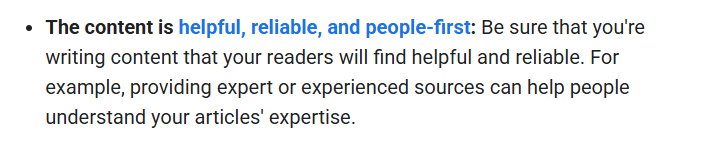
Pruning, merging, or rewriting keeps your library worthy of outside attention and aligns with Google’s quality guidelines.
➡️ 2.3 Build Content Assets
Finally, create fresh “link magnets.” Long-form guides, original research reports, interactive tools, clear-cut calculators, attention-grabbing infographics, and detailed case studies all give other sites a concrete reason to cite you. By combining thoughtful presentation with content people genuinely want to share, you turn your website into a destination that earns links organically and amplifies every outreach message you send.
Step 3️⃣. Use Competitor Links to Guide Your Plan
Studying the competitors is one of the most efficient ways to level up your link building strategy. Understanding where your top-ranking competitors are getting their backlinks reveals what works in your niche and where new opportunities may lie for you. With tools like Ahrefs, Semrush, or Serpstat, you can easily explore their backlink profiles and gain insights that would otherwise take months to gather on your own.
Here’s what a competitor’s backlink analysis can help you uncover:
🔹 New outreach opportunities
Find websites that are linking to your competitors, but not to you. These sites are already open to sharing similar content and may be great candidates for outreach.
🔹 Strategy gaps
Spot areas where your competitors are earning backlinks that you’ve overlooked. These gaps could signal content types or link sources you should prioritize.
🔹 What content attracts the most links
Analyze which blog posts, tools, or resources are generating the most backlinks for your competitors. This gives you a blueprint for the kind of content that resonates with websites and customers.
Here is an example of organic competitors’ analysis in Ahrefs:
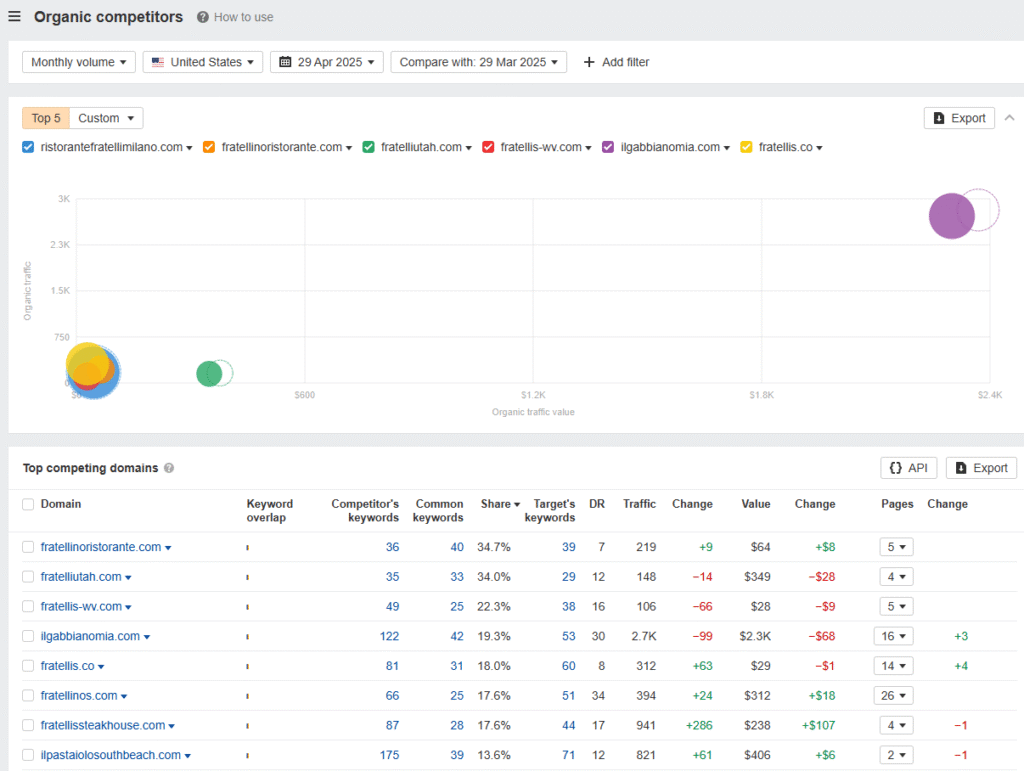
Remember, you don’t need to copy-paste someone else’s strategy. What’s working for them might not work for you. It’s about building a smarter, more targeted plan based on what’s already proven to work.
Step 4️⃣. Choose Software That Reduces the Heavy Lifting
Because linkbuilding plan relies on data – competitor gaps, authority scores, and anchor-text ratios – trying to juggle everything in spreadsheets quickly becomes exhausting. Purpose-built platforms streamline the process, surface stronger prospects, and let you spend more time on outreach that matters.
Ahrefs excels at digging into rival backlink profiles and flagging gaps you can exploit, while Semrush pairs link analytics with reliable keyword monitoring so you can see how new mentions affect rankings. If you need a deep dive into trust metrics or historical link growth, Majestic’s extensive index shines; Serpstat covers similar ground but at a friendlier price point for smaller teams. When you have to evaluate hundreds of domains in bulk, Netpeak Checker pulls key SEO indicators into one sortable table, saving hours of manual look-ups.
Working with a mix of these tools (rather than relying on a single dashboard) helps you track acquired links, spot high-value outreach targets, watch competitors, and refine tactics week by week without burning out.
Step 5️⃣. Different Links You Should Target
A diverse backlink profile looks more natural and is less vulnerable to algorithm changes. Here are primary link types to include in your strategy:
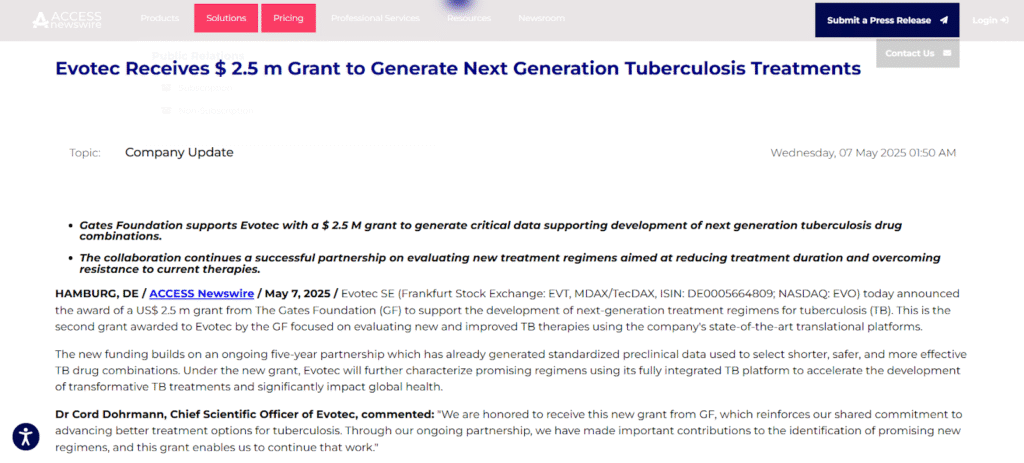
➡️ 5.1 Press Releases and PR Campaigns
Distribute newsworthy updates through press releases or collaborate with PR agencies to gain exposure in credible news outlets. These links not only drive traffic but also enhance your site’s authority.
➡️ 5.2 Social Links and Directory Links
While not the strongest in terms of SEO value, links from social media profiles and local directories help build your online presence, improve brand trust, and support local SEO efforts.
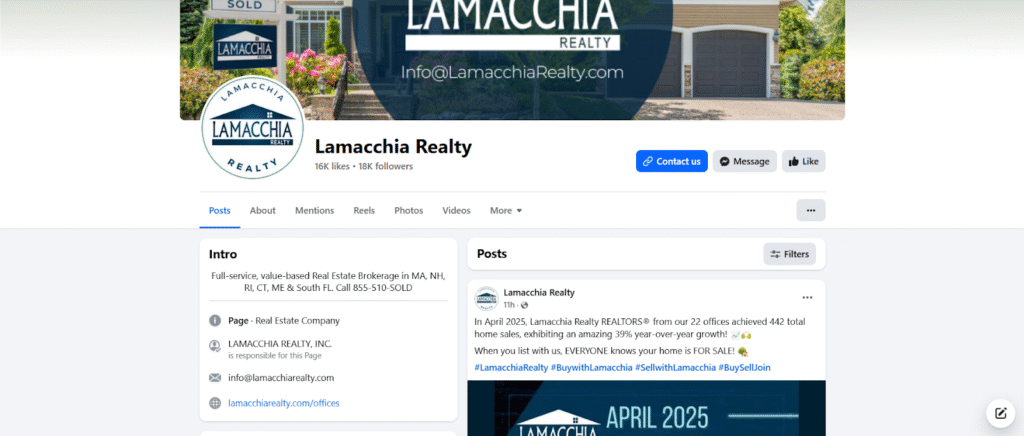
Social links refer to backlinks from your social media profiles, such as Facebook, X/Twitter, LinkedIn, and Instagram.
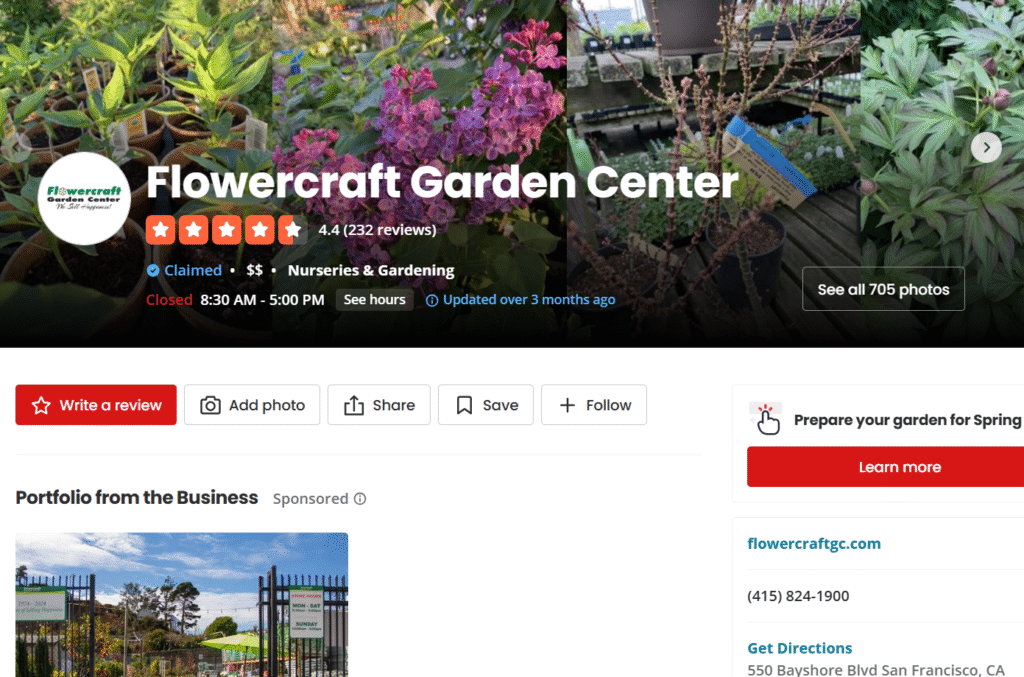
Directory links come from online business directories or local listing sites like Yelp or Yellow Pages.
➡️ 5.3 Blogger Outreach
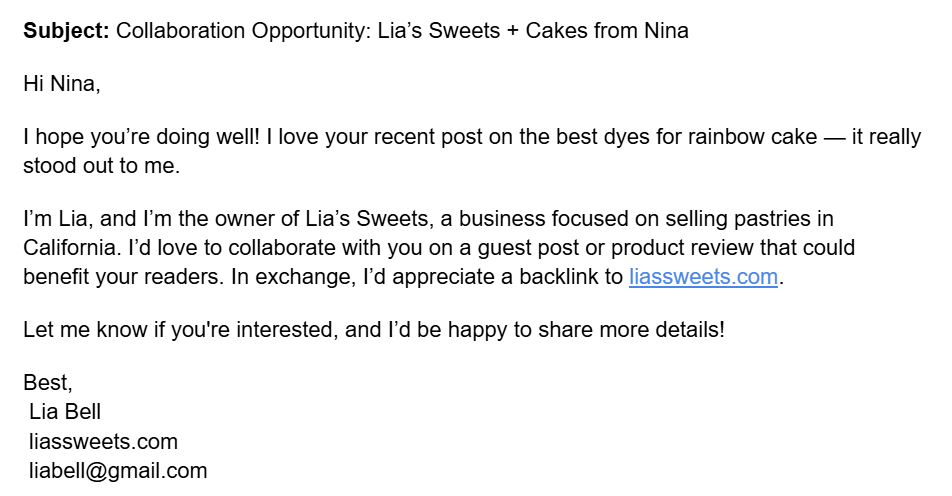
Reach out to bloggers in your niche with personalized messages and relevant pitches. Offer value, such as content contributions, product reviews, or collaboration opportunities, in exchange for backlinks. This approach helps build genuine relationships while gaining high-quality, relevant links. Here’s an example of an email you could send:
➡️ 5.4 Guest Posting
Guest posting involves writing articles or blog posts for other websites within your industry (or sometimes high-authority general platforms). In return, you receive a backlink to your site. Just make sure to:
🔹 Avoid spammy blogs
🔹 Match content to the host site’s style and topic
🔹 Include natural, contextual links
➡️ 5.5 Niche Edits
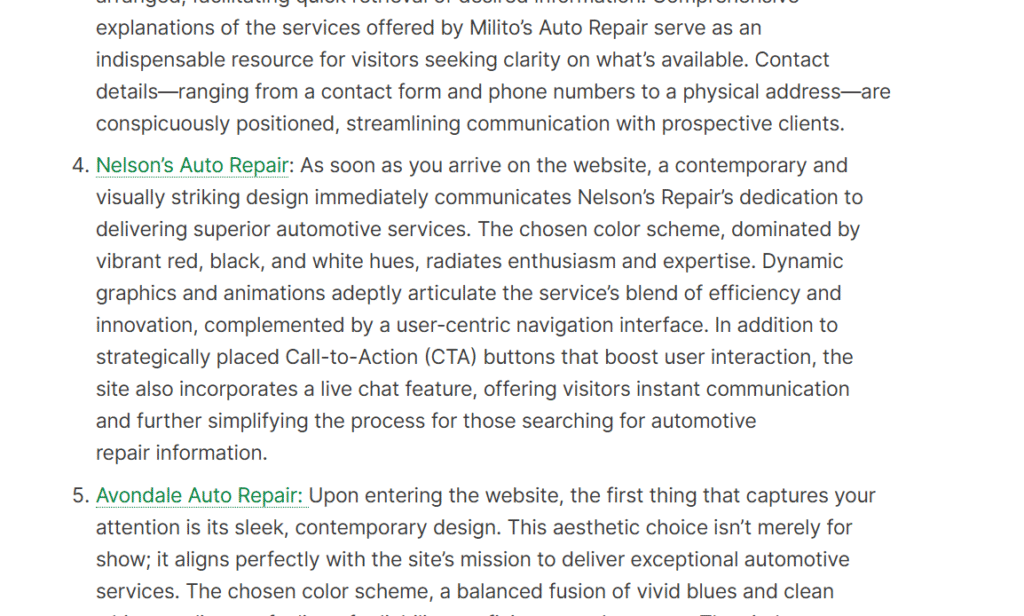
Niche edits involve inserting backlinks into already-published content on established pages. These links are highly valuable because those pages typically already have authority, traffic, and SEO value.
By placing your link in content that’s already ranking well or has traffic, you can benefit from its credibility and boost your own site’s visibility. Niche edits are often seen as a more natural way to acquire backlinks, as they fit seamlessly within existing content, making them less likely to be flagged by search engines.
➡️ 5.6 Media Placements
Getting featured in online media or industry publications can significantly boost your site’s credibility and provide high-quality backlinks.
Securing media placements often involves pitching story ideas to journalists (they have to work in your niche. DO NOT ask a fashion journalist to write a piece on your tech startup) or using platforms like HARO (Help a Reporter Out), where you can respond to journalists’ queries. These backlinks are highly authoritative, as they come from trusted news outlets and industry leaders, which can improve both your site’s visibility and SEO performance.
Step 6️⃣. Put Your Plan on a Calendar
Link building moves forward only when tasks have dates attached to them. Map every outreach activity —pitching guest posts, requesting niche edits, publishing infographics – onto a shared editorial calendar. Treat that schedule the same way you would product deadlines or client meetings: choose exact days for drafting content, sending first-round emails, and circling back after a polite interval.
Because each milestone lives on the calendar, you can spot bottlenecks early, shift workloads before they pile up, and keep momentum without the last-minute scramble that erodes quality of your linkbuilding plan.
Step 7️⃣. Track What Matters and Tune as You Go
Once links start landing, measure their impact so you know where to double down. Keep a running tally of new backlinks along with the authority of the pages that mention you; watch your own Domain Rating rise (or stall) in response. Compare referral traffic from those links to on-page engagement to see which placements draw visitors who stick around. Monitor ranking movement for target keywords, paying attention to anchor-text variety so your profile stays natural.
Reviewing these figures on a fixed cadence (weekly for fresh campaigns, monthly for mature ones) lets you retire tactics that underperform, scale ones that pull weight, and maintain an agile, data-first program that grows authority month after month.
A successful link building campaign doesn’t happen by accident. It’s the result of careful planning, consistent execution, and continuous refinement. By following the steps outlined above, you can develop a strategic linkbuilding plan that helps you acquire high-quality backlinks and contributes to sustainable SEO growth over time. With a clear plan in place and a little help, you’ll be able to track progress, adapt to changes, and achieve long-term success in boosting your website’s authority and visibility.


