


One brand launches a campaign that was weeks in the making. Another starts leading all the headlines overnight with a quick reaction to breaking news. Both moves are PR wins – but how do you know which strategy is right for you?
In a world where attention spans are shorter than a TikTok dance, businesses constantly battle to stay in the spotlight. What is the best way to stay on top? The answer is pretty simple – public relations. According to recent surveys:
➡️ PR spending increased by 15% in 2024 compared to the previous year. Because nothing says “we care” better than a well-timed press release being published.
➡️ Between 2023 and 2024, the use of social media for PR grew by 25%. Brands occupied platforms like Instagram, Twitter, and TikTok, and you started seeing them more frequently than friends and family.
➡️ 60% of companies worldwide have started implementing strategies focused on social responsibility and environmental issues – a 20% increase compared to 2022. Turns out, saving the planet (or at least pretending to do so) is also good PR.
➡️ The global PR market is expected to grow by over $30 billion from 2025 to 2029.

All these data points to one big truth: businesses are finally starting to understand – high-quality communication isn’t optional anymore. So, is it better to lead the conversation or jump in when the buzz begins? Let’s get into reactive PR and proactive PR.
❓ What Is Reactive PR? Why Does It Matter for SEO?
Reactive PR is all about creating content or issuing statements in response to current events, industry news, or trending topics. When done right, reactive PR earns high-quality links from news websites and blogs, boosting your domain authority (DA). Reactive digital PR is a natural link builder. With its help, you can start:
- Earning backlinks naturally from authoritative domains (no bribing required).
- Increasing organic traffic through newsworthy content.
- Building brand visibility as an up-to-the-minute business.
- Improve E-E-A-T (Experience, Expertise, Authority, Trustworthiness). Google would eat your PR efforts up.
When your brand is quoted in a news article, featured in an expert roundup, or cited as a source in a timely piece, it’s the golden goose for SEO. And because the coverage is tied to real-time events, the content is more likely to be shared, read, and indexed quickly.
However, reactive PR has some cons that can ruin your business in just one post:
🔻 A poorly thought-out comment or a tone-deaf post can go viral for all the wrong reasons – and cleaning up a PR mess can take much longer than creating it.
🔻 If you react too late, the audience has moved on, and your carefully crafted comment will feel stale or irrelevant. Conversely, jumping in too early without enough information can make you look uninformed or opportunistic.
🔻 Not every trending story will attract your ideal customers. If you cover irrelevant topics, or even worse, ones that contradict your brand values, you could end up with an audience that doesn’t care about your brand (or actively dislikes it).
You’ve probably at least heard about the 2017 Pepsi and Kendall Jenner ad. They borrowed imagery from the Black Lives Matter protests, and there were a lot of people who said it was tone-deaf and trivialized the ongoing issue. As a result, Pepsi apologized. “We did not intend to make light of any serious issue. We are pulling the content and halting any further rollout.”

📈 Reactive Digital PR: Who Can Benefit Most?
Reactive PR isn’t just for big corporations with armies of marketing experts – it’s a game-changer for anyone who can catch the wave at the right time and offer real value. However, there are a few businesses that will benefit from reactive PR more than others:
🔸 Startups looking to gain quick visibility: when you’re new on the scene, nobody’s camping out to hear your news. Reactive PR gives startups a way to insert themselves into trending conversations, grabbing media attention without having to invest in gigantic marketing campaigns. A smart, timely comment on a big news story can put a startup’s name in front of thousands (or even millions) overnight.
🔸 Agencies managing multiple clients and media requests often have a lot on their plates. Reactive PR gives them a way to capitalize on unexpected opportunities for different clients without spending months on planning. It’s the ultimate way to get more media coverage, show fast results, and keep clients impressed.
🔸 Experts and thought leaders in fast-changing industries: if you work in tech, healthcare, finance, or any other industry that changes basically daily, journalists are constantly looking for expert opinions. Being ready to jump into the conversation makes you the go-to name when big stories break. It’s free branding.
🔸 Small brands that lack the budget for large-scale proactive campaigns: let’s be real: not every business can throw $50K for a PR stunt. Reactive PR levels the playing field for small businesses. If you can respond smartly and quickly, you can land the same news coverage that bigger brands do at a fraction of the cost.
🔝 Top 3 Factors for Effective Reactive PR
With reactive PR, you can’t just shout into the void and hope for the best. There are a couple of factors to consider to reinforce the success of any PR stunt: Timing, Relevance, and Credibility.
You need to be able to respond within a few hours of a breaking story. Wait two days, and the news cycle has already moved on to another big thing.
Also, it’s important to remember that not every story is your story. Your comment should add real insight, not just shouting “we’re here!”. If you can genuinely help explain, deepen, or challenge the topic, social media and journalists will praise you for that.
People need to hear credible voices. Back your opinions up with data, case studies, personal experience (but remember your personal experience might not be the universal one, so be open to a discussion), or professional credentials.
🔢 Steps to Take Before Starting Reactive PR
You wouldn’t go for a jog barefoot, right? At least you shouldn’t. Same for reactive PR. A little prep work gives you a huge advantage.
1️⃣ Monitor News Trends, Journalist Requests, and Hashtags
Use tools like Google Alerts and Trends, trending hashtags on Twitter/X, TikTok, or other platforms.
2️⃣ Create a List of Your Brand’s Expert Spokespeople
Who can speak for your brand in a smart, media-friendly way? Choose a few experts in advance who could cover a variety of relevant topics. Make sure they’re prepped to jump right on calls.
3️⃣ Develop Media Assets
You should have ready-to-go assets that can be published right away with little editing. Because, as we saw earlier, the speed of your response is crucial. Prepare professional headshots, quick bios of spokespeople, the company’s description, and keep a folder of updated facts, stats, and mini case studies.
🚀 Best Reactive PR Techniques
Reactive PR isn’t just some craze that everyone jumps into hoping for the best – it’s all about being smart, swift, and intentional. Here are three proven techniques that can elevate your media presence.
🔥 Newsjacking
Newsjacking means jumping into a trending news story while it’s hot and adding your valuable angle. You can newsjack anything from political shifts and economic changes to viral TikTok trends – as long as you stay relevant and appropriate to your niche. A well-placed comment or blog post can get you instant media mentions, backlinks, and audience growth.
In 2018, Legoland had its take on the upcoming Prince Harry and Meghan Markle’s wedding.

🔥 React on Social Media
Social media is your direct way to show yourself to the world. Fast reactions with humor, empathy, or cleverness can make your brand feel human, relatable, and quick-witted. Whether you’re jumping on trending memes, reacting to major events, or posting an open letter, agility wins.
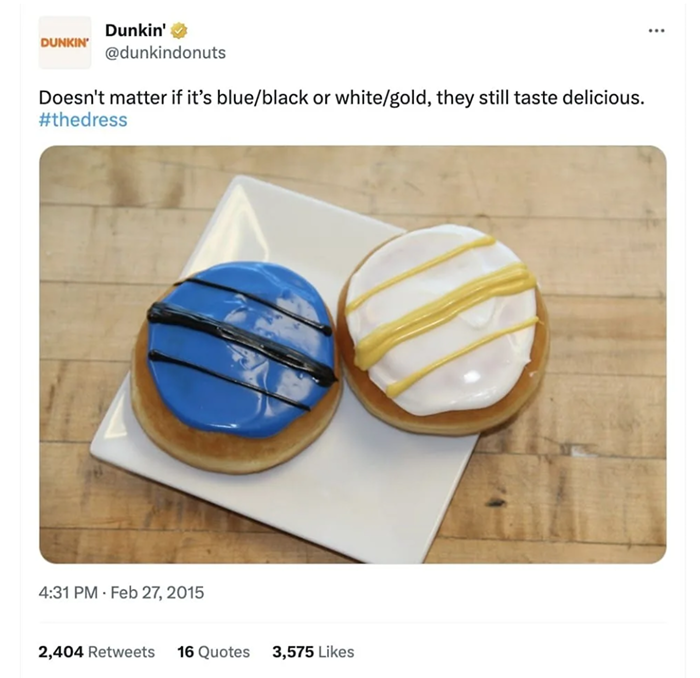
We bet that you still remember THE dress (it’s blue and black, by the way). Well, Dunkin’ Donuts wasted no time and made a great addition to the conversation.
🔥 Comment on Current News
A comment from your go-to expert will build long-term visibility and opinion leadership. Plus, one good quote can land you multiple backlinks and mentions.
❓ What Is Proactive PR?
Proactive PR is all about setting the agenda instead of reacting to it. Instead of waiting for the next big thing, proactive PR means creating your own stories, campaigns, and media opportunities that showcase your brand’s strengths and values.
This can include:
🔵 Launching new products or services
🔵 Announcing partnerships or milestones
🔵 Pitching story ideas to journalists
🔵 Hosting events, webinars, or panels
🔵 Creating research reports or whitepapers
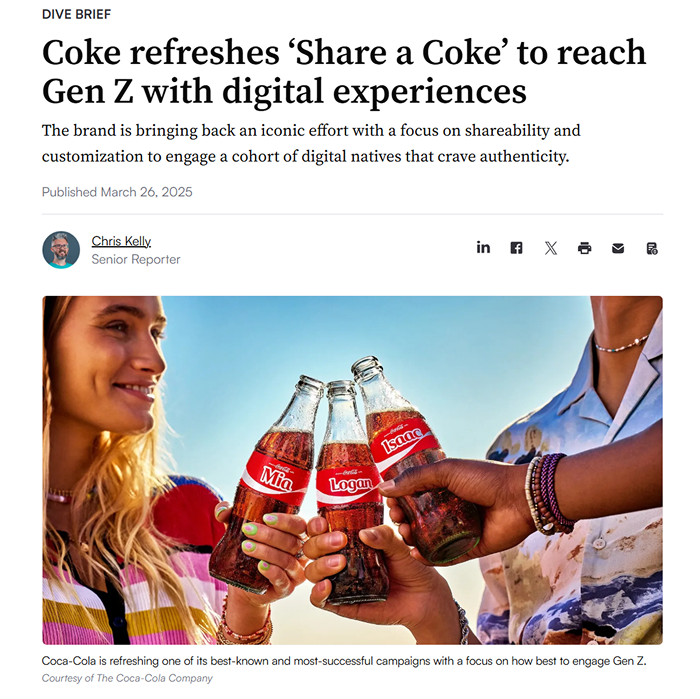
Proactive PR builds long-term brand reputation and identity. It keeps you on top even when there’s no crisis or viral trend to utilize. While reactive PR is about the now, proactive PR builds long-term awareness. One of the most recent examples is Coca-Cola’s relaunch of its iconic “Share a Coke” campaign.
🔝 4 Best Proactive PR Practices
1️⃣ Press Releases
Press releases are great for announcing new products, services, and events. Additional points if those materials are tied to new laws, industry news, or even social trends. Perfect way to show everyone you’re paying attention and can offer a credible voice.

2️⃣ Publish Original Data to Spark Interest
Publish fresh data: surveys, internal insights, reports, or unique takes on industry trends. Media love citing data because it adds credibility and uniqueness to their stories. As an SEO bonus, they’ll link back to your site. Also, turning raw stats into infographics, charts, and mini-reports makes them even more easy-to-understand and media-friendly.
3️⃣ Cultivate Media and Influencer Relationships
PR works way better when you already have people’s attention. Journalists and influencers are more likely to use your quotes or data if they already know you and trust your expertise.
Relationship-building isn’t about spamming their inboxes, it’s about offering value:
🔵 Share and engage with their content.
🔵 Offer exclusive insights and partnership opportunities to relevant people.

4️⃣ Guest Posting
Guest posts are a pillow link-building way to react to trending topics while controlling the narrative. Instead of waiting for a journalist to quote you, you write the story and place it on a high-traffic blog. Focus more on writing editorial-style pieces (not ads) that offer genuine insights, solutions, or opinions tied to what people are talking about right now.
Maybe someday, you’ll end up on The New York Times’ Guest Essays page.

⚖️ Reactive vs. Proactive PR: Key Differences
| Feature | Reactive PR | Proactive PR |
| Timing | Responds to existing news and trends | Initiates news, stories, and campaigns |
| Goal | Jump into conversations already happening | Set the agenda and create new conversations |
| Speed | Fast-paced, often within hours | Planned over days, weeks, or months |
| Strategy | Opportunistic – seize the moment | Strategic – build long-term visibility |
| Typical Activities | Newsjacking, expert comments, social media reactions | Press releases, media pitches, product launches, events |
| Risk Level | Higher – must get the timing and tone exactly right | Lower – more controlled messaging |
| Best For | Building quick visibility and authority during trending moments | Strengthening brand reputation over time |
Businesses don’t have the luxury of choosing just one PR approach. To truly stand out, you need to master them both – knowing when to lead the conversation and when to ride the wave.
Proactive PR lays the foundation for your brand’s reputation, helping you stay consistent, credible, and top of mind even when the news cycle is quiet. Reactive PR, on the other hand, gives you the agility to jump into trending topics, win attention fast, and showcase your expertise in real-time.
The most successful brands don’t just react – they prepare to react. And at NeedMyLink, we can help you build strong narratives, stay alert, and be ready to pivot when opportunity strikes.


